Bozeman MT Fly Fishing During Runoff
Posted by: Alex
Date: 03/25/2026
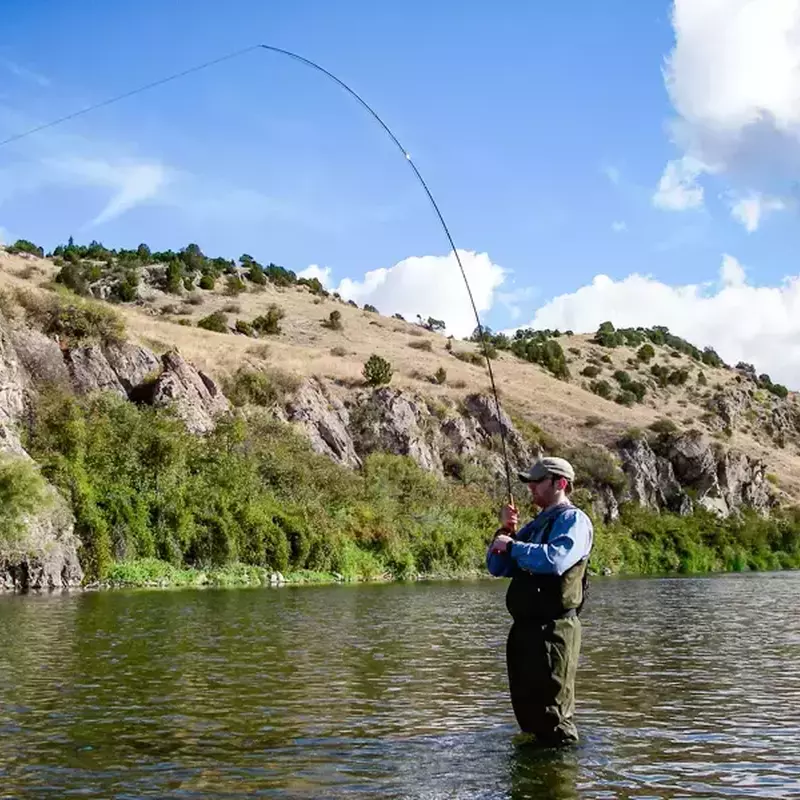
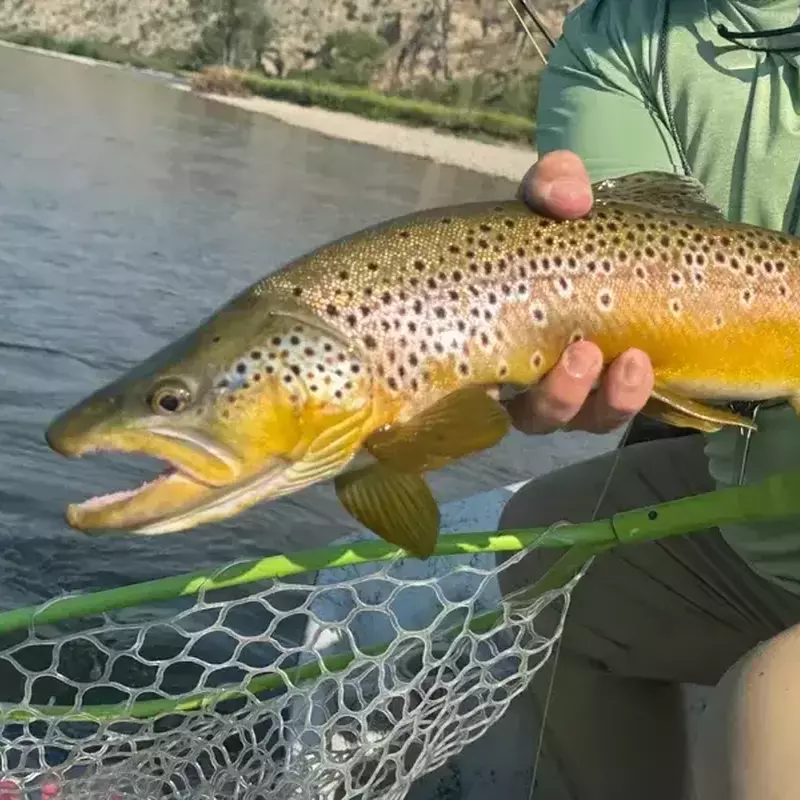
Bozeman fly fishing in the spring comes with a variety of challenges and changing weather. During runoff can be a great time to experiment with different tactics and catch fish in less-than-optimal conditions.


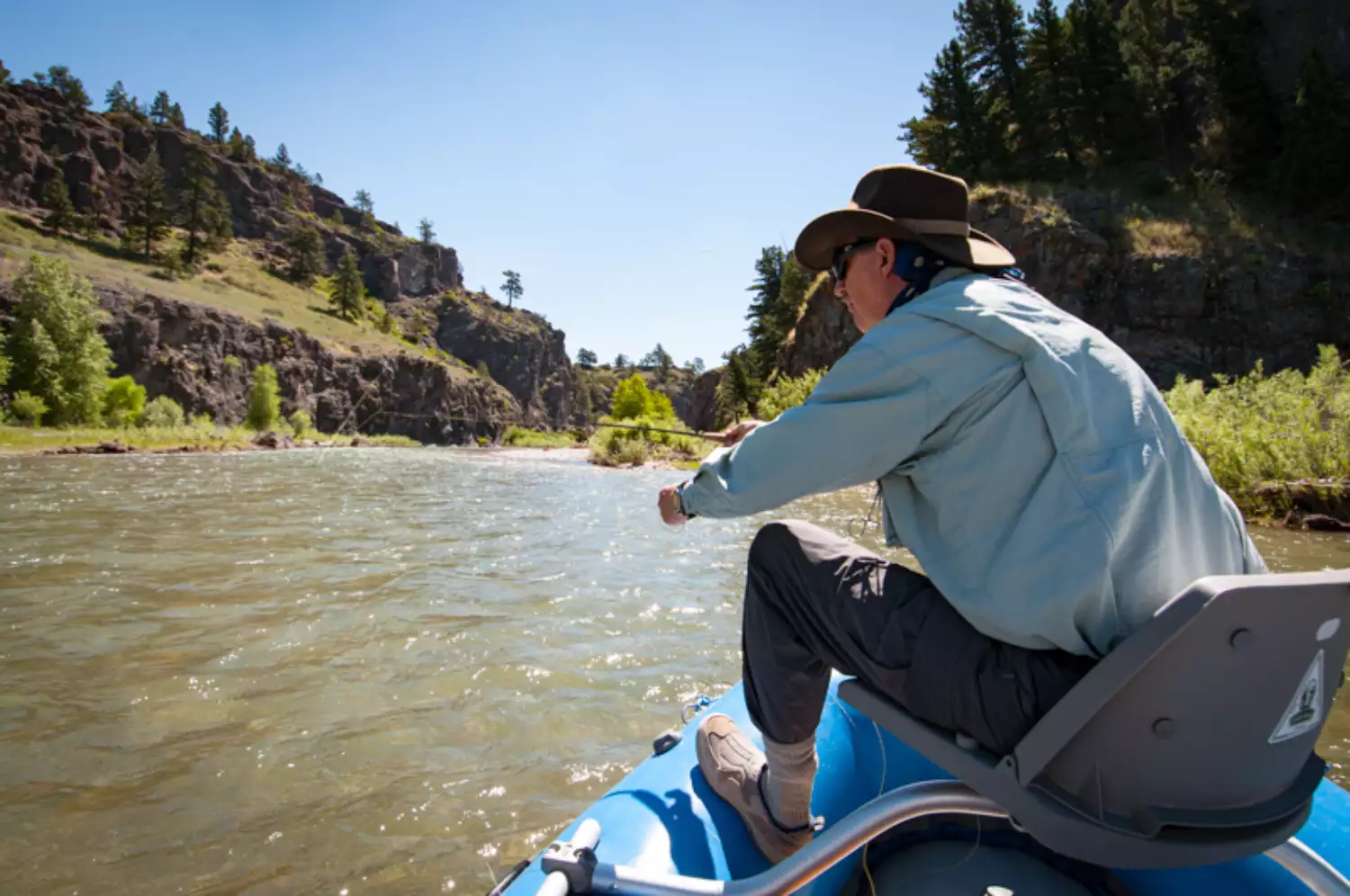
Tips For Fly Fishing on Bozeman Rivers In The Spring
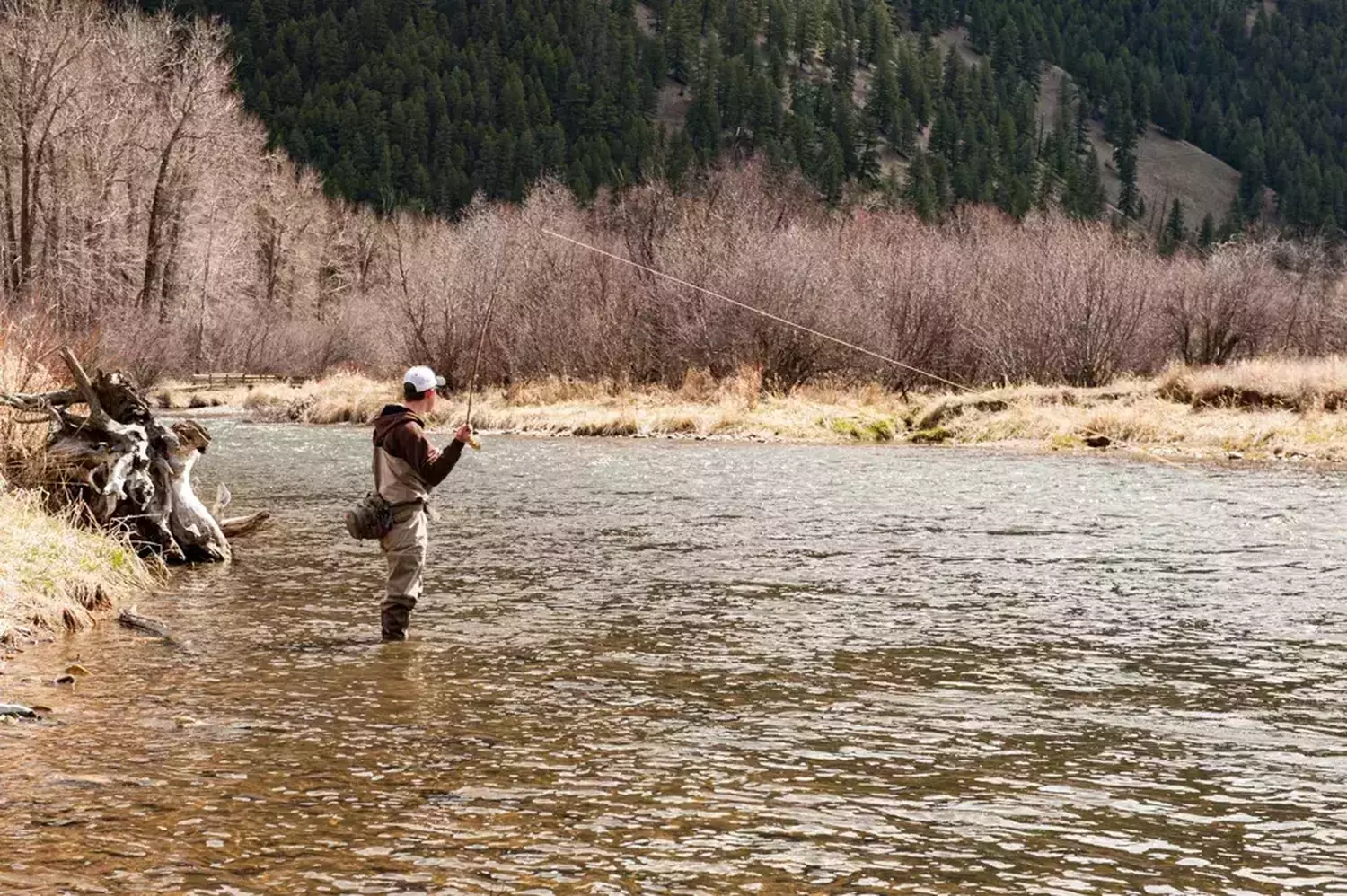
Runoff is one of the most misunderstood times of the year around Bozeman. Many anglers either write it off completely or approach it the same way they would during lower, clearer flows. Neither approach is very effective. Runoff is more about getting out and trying to catch fish in the areas they hold when the rivers blow out.
Not all rivers fish the same during runoff.
The Gallatin River can remain fishable, especially as flows drop. Even during higher water, if there is around a foot of visibility, anglers can still find success by focusing on the right water. Focus on fishing tight to the bank with stonefly nymphs when the water is high and off-color.
The Lower Madison River is often a reliable Montana fly-fishing option during runoff, as flows tend to rise and fall slowly with controlled dam releases. A week or two of high flows in late May can make for challenging conditions, but it fishes very well in early June with both nymphs and dries.
The Upper Madison River can still be challenging during high flows, but it fishes well when it’s on the drop, even if the water is off-color. Fish will hold tight to the banks and sit in the slower pocket water along back eddies. This can be a primetime streamer fishing for experienced anglers.
The Jefferson River is often one of the first to lose clarity and can remain dirty for extended periods. However, the river is often fishable once again by late May. This is our favorite time of the year to fly fish the Jefferson - when the water is high with around 2' of visibility.
On the Yellowstone River, high flows make fishing and even approaching the river dangerous. The exact timing of the runoff varies year to year, but we generally wait until flows drop below 8000 CFS at Corwin Springs before getting back on the water. Creek mouths and side channels fish exceptionally well at this level, and salmonflies are usually just starting to emerge.
Regional taliwaters like the Missouri, Bighorn, and Beaverhead are seldom affected by runoff. Their steamflows increase, but the water clarity remains good to excellent when other rivers are solid mud. Expect some crowds as Montana anglers across the Big Sky state converge on these fisheries during peak runoff season.

Check The Flows Before Heading out to Fly Fish Bozeman Rivers During Runoff
The most important factor is whether flows are rising or dropping. When a river is coming up quickly and getting dirtier, fishing is usually poor. Fish get pushed to the banks, where anglers can take advantage of their opportunistic behavior in these feeding zones.
When flows begin to drop and clarity improves, conditions shift back in favor of the angler. Fish settle back into predictable holding water and start feeding more consistently. A good benchmark is around a foot of visibility or better. Once that is present, fish are able to track flies, and the river becomes much more manageable.
Plan Ahead, and Scout Multiple Rivers
Where anglers fish matters more than what they fish. Brown and Rainbow trout do not hold in heavy current during runoff. They shift into slower water where they can conserve energy. This includes inside bends, softer edges, near-bank water, and deeper holes. Fishing fast water or mid-river current during runoff is generally unproductive.
Another piece that often gets overlooked is finding clear water within dirty water. Back eddies and side channels often have better visibility than the main river. Fish will move into these areas to get out of the current and into water where they can see.
On rivers like the Madison, Jefferson, and Gallatin, specifically around the headwater sections. These smaller pockets of cleaner water can hold fish even when the main river looks unfishable.
Fly Selection for Dirty Water
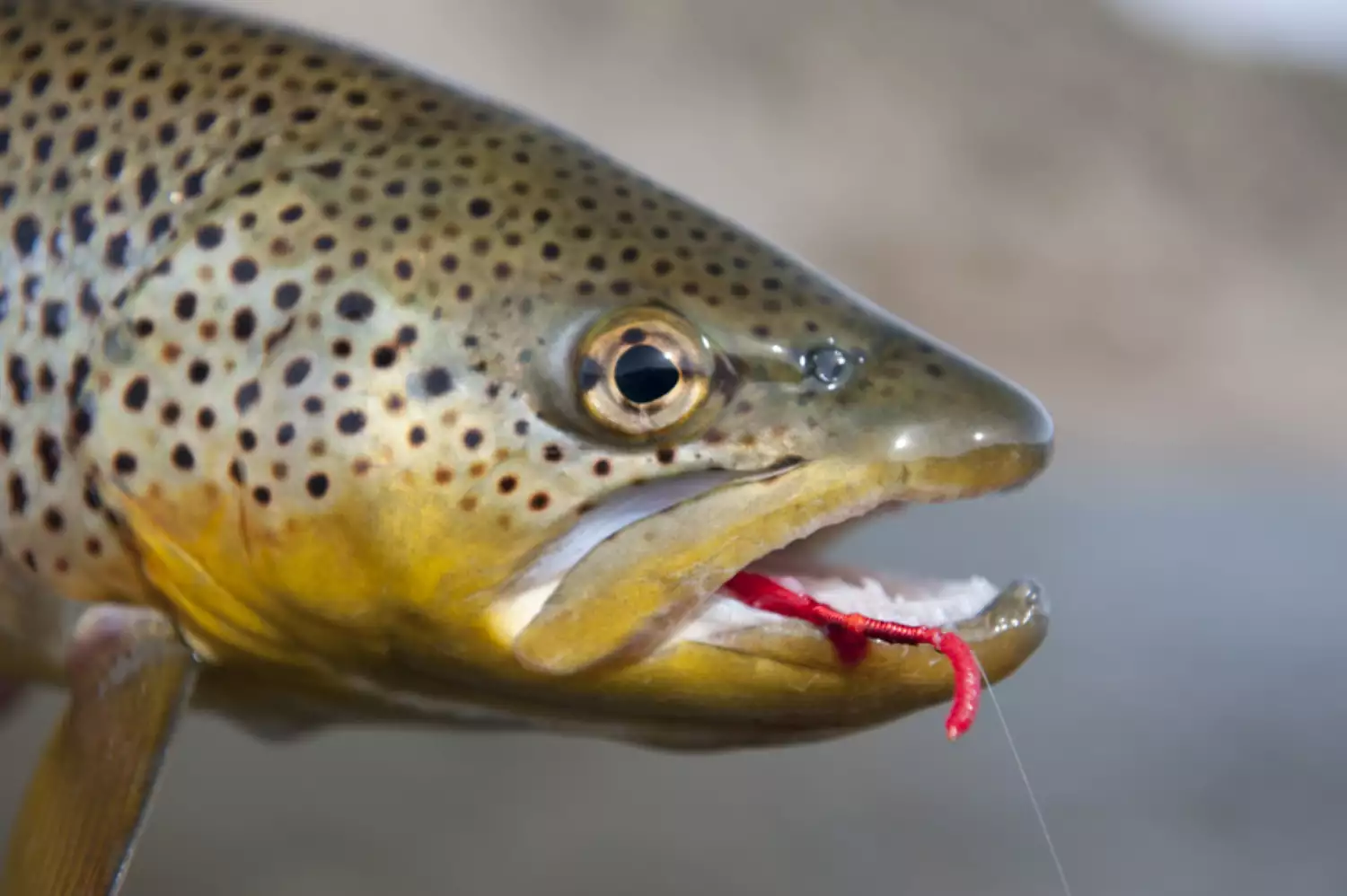
Fly selection should remain simple and visible. Heavier, darker patterns are more effective in off-color water. Pat’s rubberlegs, and darker stonefly pattern all make sense this time of year. Adding a brighter secondary fly, such as a hot head san juan worm, can help fish locate the rig.
Depth remains the most important factor. If flies are not reaching the lower part of the water column, effectiveness drops quickly. Adjusting weight should come before changing flies.


Guided Fly Fishing Trips During Runoff
Runoff in the Bozeman area typically starts in mid to late May and can last into mid-June, depending on snowpack and weather. Conditions can change quickly during this time, and not every river will be fishable on a given day.
This is why having multiple rivers and locations to fish makes Bozeman such a great area to visit and fish. One of the advantages of fishing this area is the variety of water within a short drive. With multiple rivers available, guides can adjust day to day based on clarity, flows, and overall fishability.
While one river may be high and dirty, another can be dropping and clearing. This flexibility allows our Bozeman fly fishing guides to stay focused on rivers that are still fishing well, rather than forcing poor conditions.
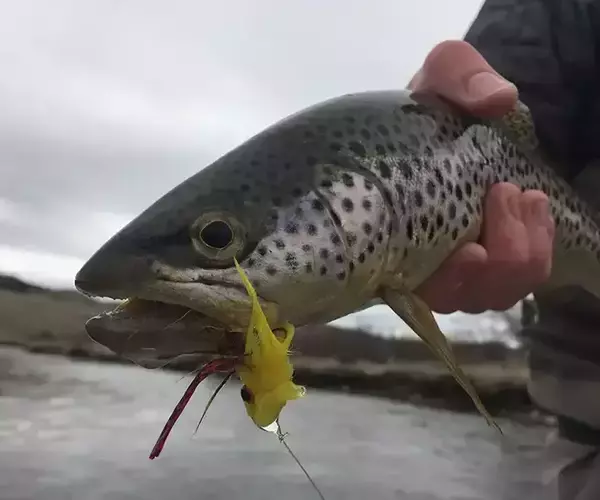
Get out and Fish the Dirty Water this Spring
Runoff fishing is not about covering water. It requires slowing down and fishing the right spots thoroughly. In the end, runoff comes down to managing where and when to fish.
Choosing rivers that are still in shape, focusing on dropping flows, and fishing tight to the banks will consistently lead to better results. Anglers who are willing to adjust and stay patient during this time of year will find that runoff can still offer great days on the water.
More From The Montana Fly Fishing Blog

Category: Tips on Flyfishing Montana Rivers
Top 5 Flies for Spring
Post Date: 01/11/2024
Spring is an eagerly awaited season by many patient Montana anglers. As water temperatures start to warm, our wild trout's metabolic rate increases, causing more active feeding. With little fishing...
Read Article