
Winter Fly Fishing the Gallatin River
Posted by: Alex
Date: 12/07/2025
Winter is the quiet time of year for Montana anglers fly fishing the rivers and streams in this southwest corner of the Treasure State.
Fly Fishing Bozeman in Winter
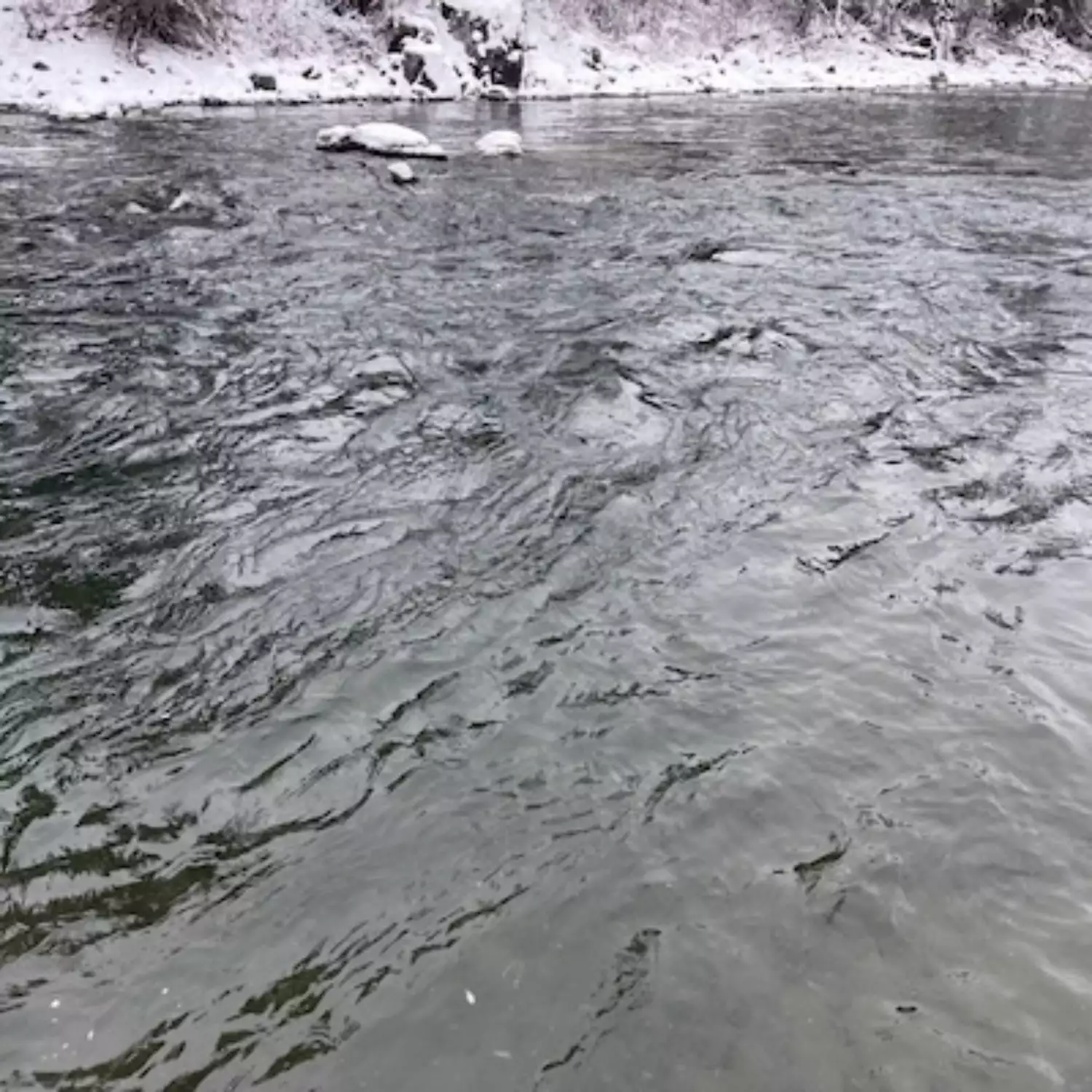
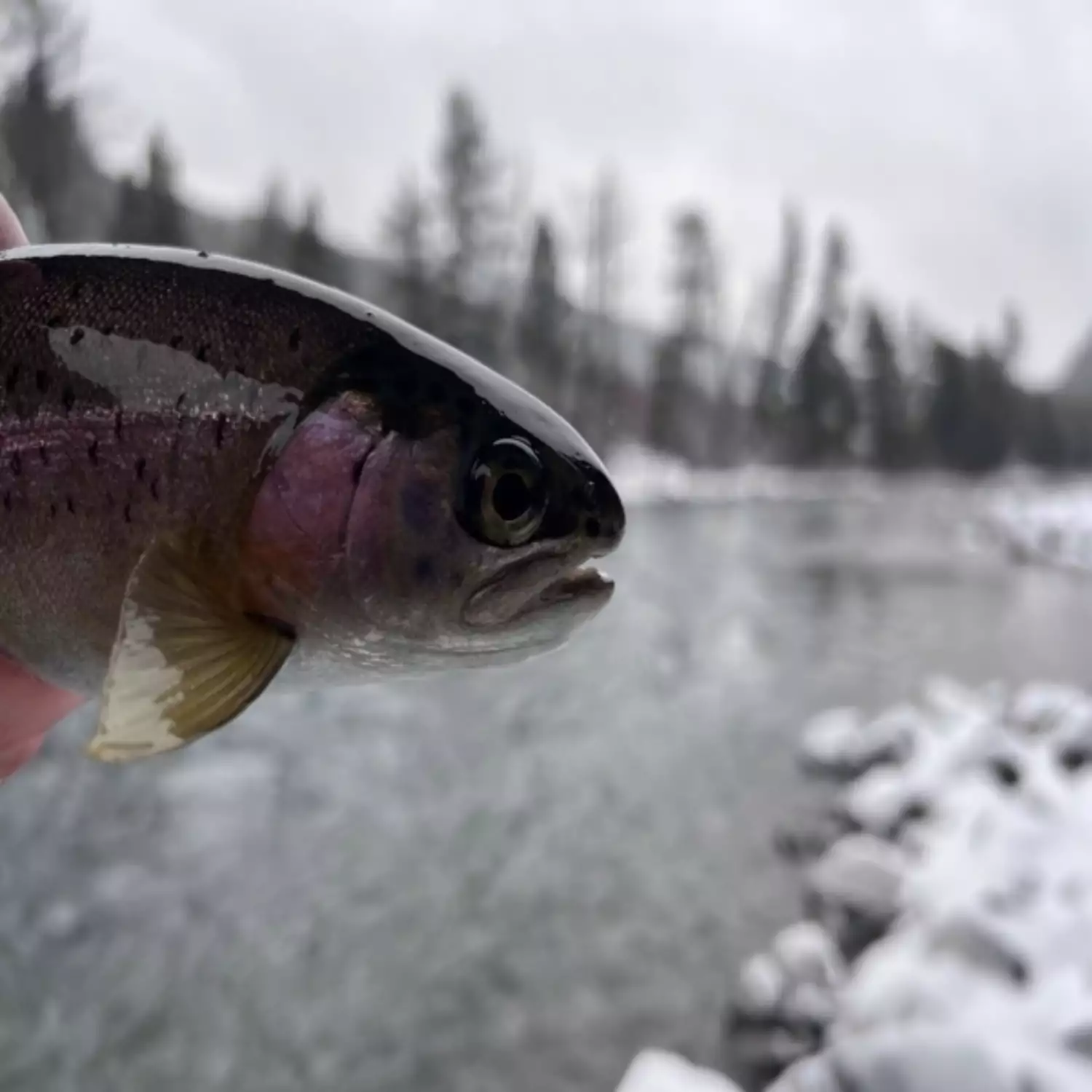
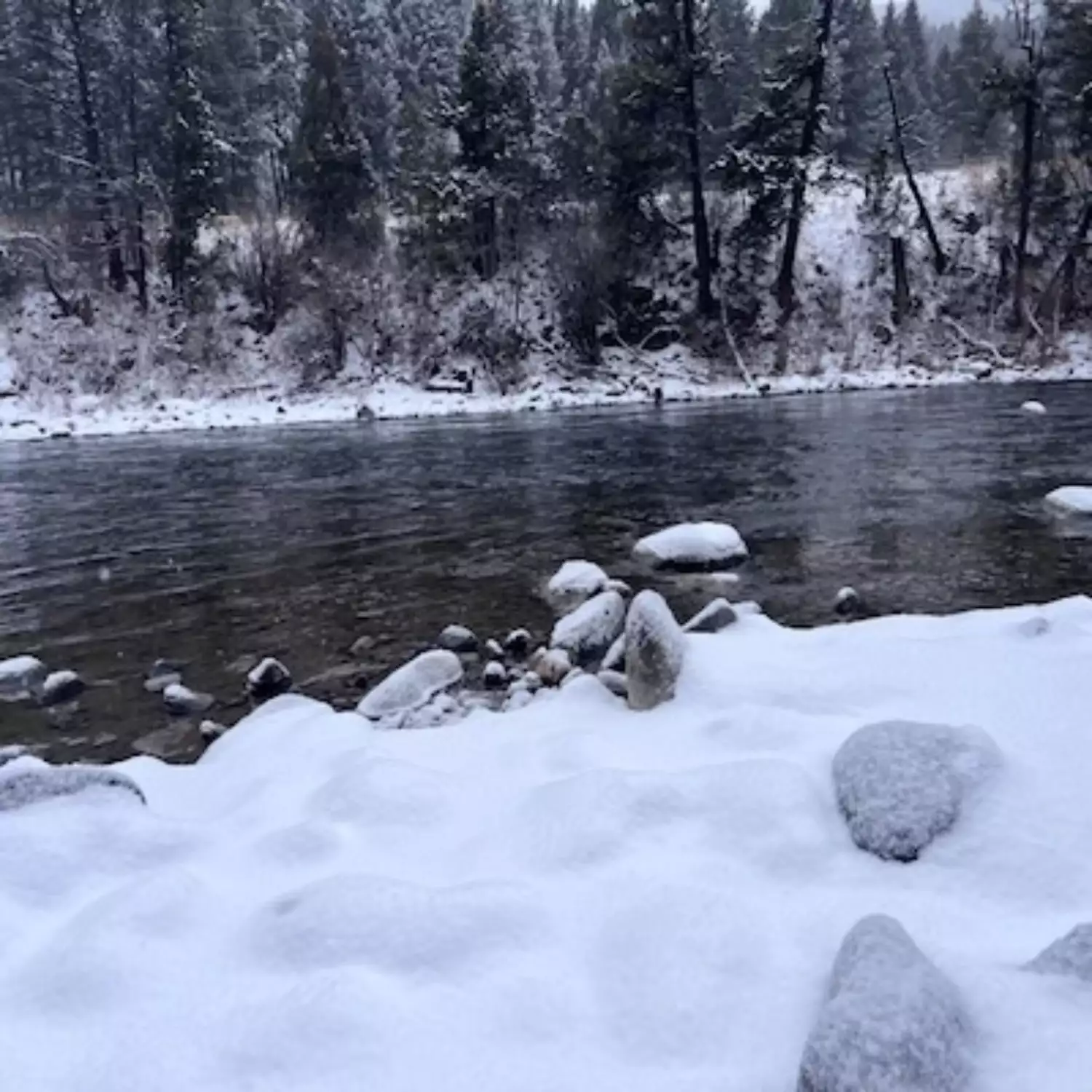
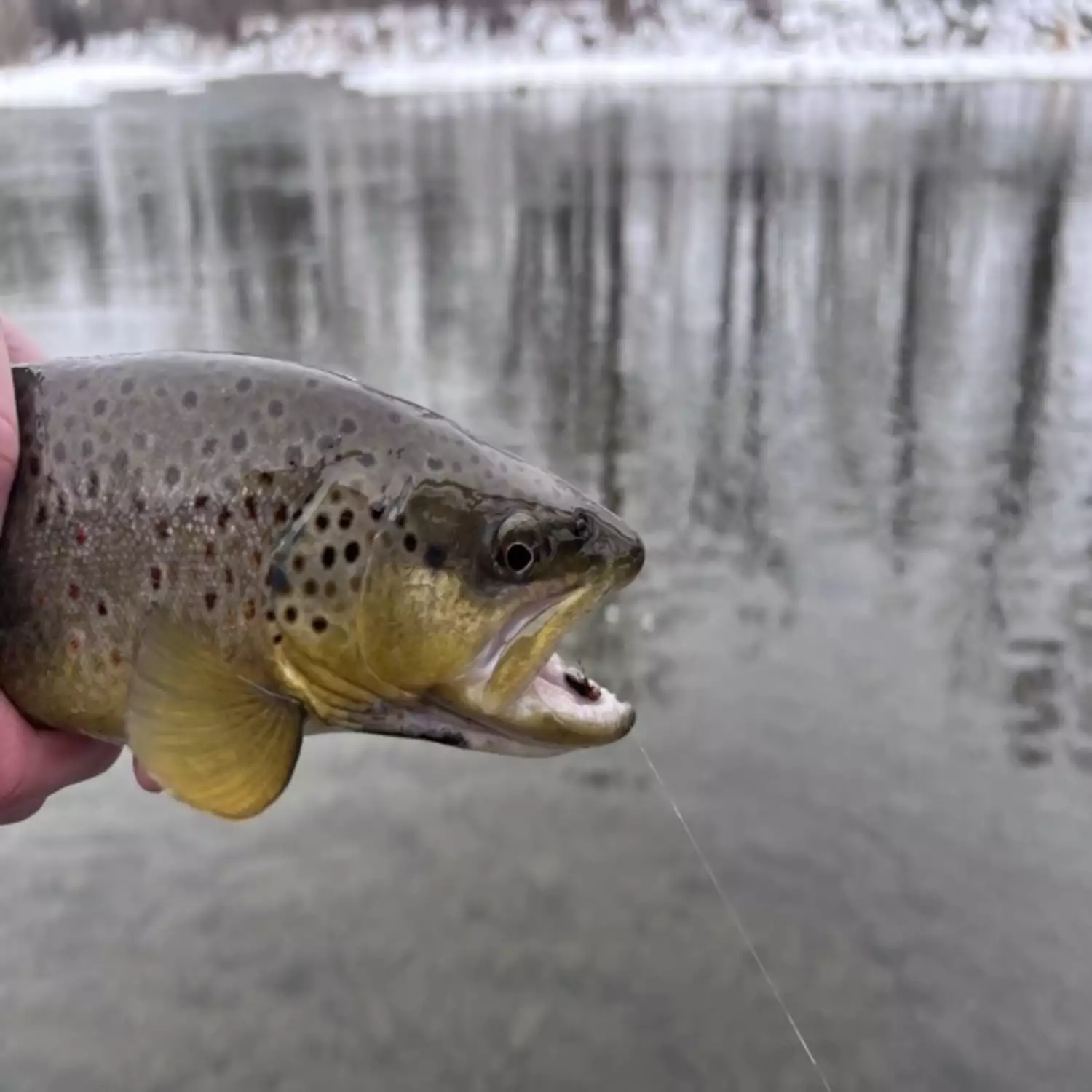
Bozeman fly fishing in the winter looks much different than the rest of the year. There are still plenty of river stretches on our local waters that fish well between winter storms. You won’t see the same number of fish as you’d expect in the summer, but winter gives you more time to fish without running into anyone.
The Gallatin River, in particular, is one of the best choices because it’s close to Bozeman and you can get in a quick hour or two of fishing without much travel.
When we get a warm-up after a cold spell, the canyon sections thaw quickly and are typically free of floating ice, even on days when the temperature barely breaks the freezing point. Fish won’t hold in the same water they use during summer, so focus on the slower pockets and deeper pools where trout sit out of the current.
Winter fly fishing is more about picking apart specific spots rather than covering long stretches of river. You might fish a single hole for 20–30 minutes this time of year, compared to just a handful of casts during the summer season.

Fly Fishing The Gallatin River Canyon in Winter
The Gallatin Canyon is the most popular winter stretch because it stays cold but accessible, and many of the deeper pockets stay open enough to fish. Areas like Storm Castle and the Lava Lake access points offer slower water right off the road, which makes them reliable places to start. When people refer to “deeper pools” on the Gallatin in winter, they’re usually just talking about those softer pockets where the river slows down, the kind of water trout move into when it’s cold.
Fishing these spots with a 5- or 6-weight fly rod and a bit of weight gets the flies down quickly. A simple setup works best: one or two BB split shot, a stonefly attractor like a pats rubber leg, and a smaller nymph off the back. Classic patterns like lightning bugs, copper johns, prince nymphs, and pheasant tails all work year-round here. Newer patterns like the spanish bullet, blowtorch, and infernigon also fish well because they sink fast.
Fly Fishing The Gallatin Canyon in Winter
The Gallatin Canyon is the most popular winter stretch because it stays cold but accessible, and many of the deeper pockets stay open enough to fish. Areas like Storm Castle and the Lava Lake access points offer slower water right off the road, which makes them reliable places to start. When people refer to “deeper pools” on the Gallatin in winter, they’re usually just talking about those softer pockets where the river slows down, the kind of water trout move into when it’s cold.
Fishing these spots with a 5- or 6-weight fly rod and a bit of weight gets the flies down quickly. A simple setup works best: one or two BB split shot, a stonefly attractor like a pats rubber leg, and a smaller nymph off the back. Classic patterns like lightning bugs, copper johns, prince nymphs, and pheasant tails all work year-round here. Newer patterns like the spanish bullet, blowtorch, and infernigon also fish well because they sink fast.
A Favorite Winter Fishing Spot Near Bozeman
Strom Castle Bride is one of the best options in the Gallatin Canyon for its proximity to Bozeman. Rather than driving all the way up to Big Sky on the icy roads, Storm Castle sits about 15 minutes up the road from the mouth of the canyon and has easy-to-access water that fishes great in the winter.

Fly Fishing The Gallatin Valley in Winter
Once the river leaves the canyon and hits the Gallatin Valley, it spreads out and becomes easier to read. Access points like Axtell Bridge, Williams Bridge, and the stretches down toward Cameron Bridge all offer easily accessible stretches of river that are perfect for winter nymphing. Fish still sit in slower water, but you get more space and more defined edges to work.
The Gallatin Valley is also where you’re most likely to run into an afternoon midge hatch in the winter. It doesn’t happen every day, but when it warms up just enough, it's not uncommon to see it turn the fish on. Carrying a few dry flies isn’t a bad idea—simple patterns like a parachute adams or purple haze in small sizes will handle most situations.
A Top Gallatin Valley Spot for Winter Fly Fishing Near Bozeman
About 5 minutes up the road from our Bozeman fly fishing guide headquarters near Four Corners, Axtell Bridge is one of the more popular areas throughout the spring, summer, and fall, which can get pretty crowded, but in the winter, it's an excellent option for a quick outing.
Tips for Bozeman Fly Fishing In Winter
The Gallatin is a great winter fly fishing option because of the intimate size of the river during this low-flow season. The river is small enough to easily cover with short casts and precise drifts, which makes dealing with ice in your rod guides a lot easier than those days on big rivers where long drifts are essential.
Another perk of winter fishing on the Gallatin River is that you rarely need to walk very far. Most pull-offs put you right next to the river, so you can hop out, fish the closest deep pool, and warm up in the car whenever you need to.
Fly selection is simple in the winter. Most of the flies you use in the summer—like prince nymphs, rubberlegs, and other basic attractors—work just fine this time of year. You don’t need a special winter box, just a few confidence patterns and some weight to get them down.
Related Articles From The Montana Fly Fishing Blog

Category: Tips on Flyfishing Montana Rivers
Winter Fishing the Lower Madison
Post Date: 01/03/2024
The Lower Madison River is a great destination for fly fishing in Montana during the winter. Snow doesn't accumulate much along the riverbanks and the river rarely freezes. Located just...
Read Article

Category: Hatches
Top 5 Midge Patterns for Montana Winter Dry Fly Fishing
Post Date: 12/09/2023
Throughout winter, Midges become a heavily targeted food source for trout in SouthWest Montana. These tiny insects appear in great numbers in the surrounding area and can provide exciting angling...
Read Article