10 Best Lake Flies For Bozeman, Mt. Fly Fishing
Posted by: Alex
Date: 04/10/2026
Bozeman has no shortage of good lake fishing, but knowing what flies to bring makes a difference. These are ten flies that consistently get it done on local stillwater, from ice-off through summer.
Bozeman, MT. Fly Fishing Lakes
Most lakes in the Bozeman area ice off between late May and mid-June. That window right after is one of the best times to be out there. Insects and trout become increasingly active as the water warms and spring approaches.
Without current, presentation comes from how flies are rigged and fished. Fish will cruise shallow banks and flats, eat dries when there is a hatch, and cruise deeper sections feeding at varying depths.
There are a range of ways to fly fish lakes, depending on conditions. Anglers fly fishing Montana lakes use Indicator rigs in deeper water, strip streamers along banks, or sight fish to cruising gulpers.
Lakes within driving distance of Bozeman
Hebgen Lake and Quake Lake are near West Yellowstone and some of the larger lakes in the Bozeman area.
Harrison Lake and Ennis Lake are smaller, and Ennis Lake sits between the Upper and Lower Madison, which makes it a popular destination for anglers fishing the Upper Madison River Inlet.
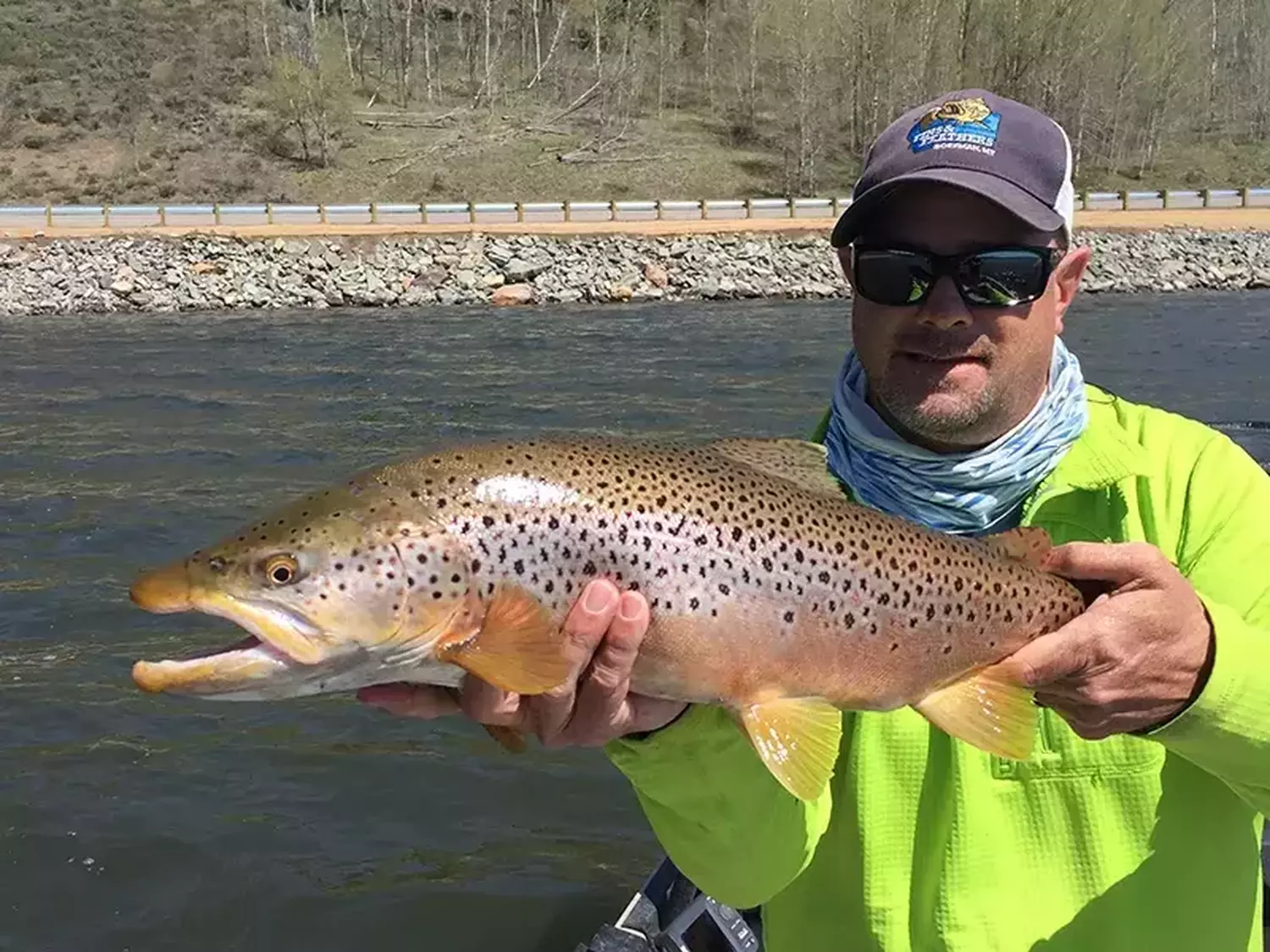
Each of these lakes holds good numbers of healthy rainbow and brown trout.


Fly Selection For Lake Fly Fishing In Bozeman, MT.
Chironomids are an important insect in all of our Bozeman area lakes and make up a big part of a trout’s diet once the ice comes off. Being present in nearly every stillwater and hatching in large numbers is why fish key in on them.
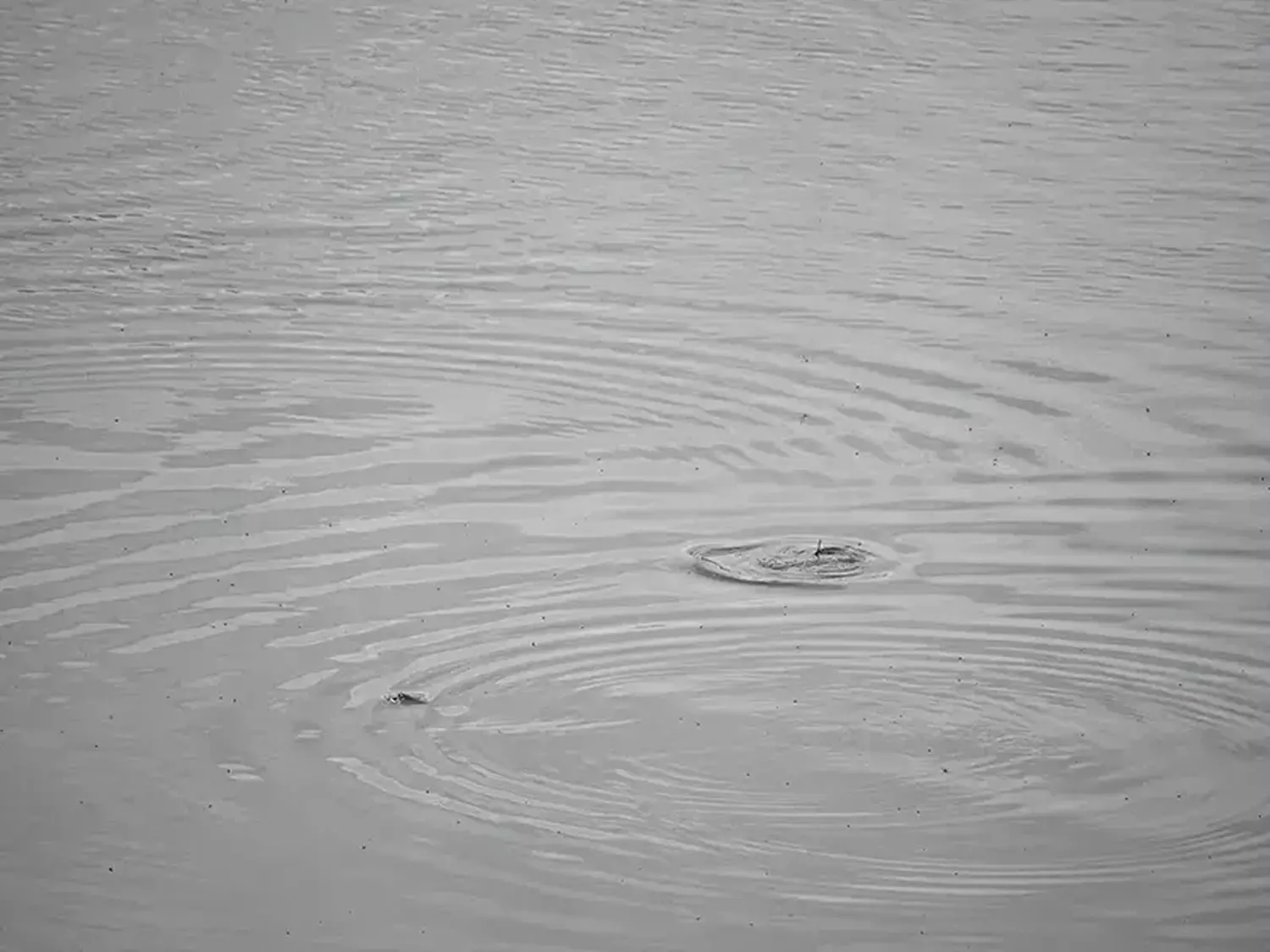
As they emerge, chironomids rise slowly with a small air bubble, and that’s when fish will often cruise and feed just under the surface or right on top.
Montana Fly Fishing With Chironomids
Most anglers fish chironomids under an indicator, often with a balanced leech below to add a little movement or to give fish a second look. That setup covers a lot of water and works well when fish are holding in a particular depth range. When fish start feeding higher in the column, it’s worth switching to drr flies.
A dry-dropper setup is another option, running a larger attractor like a chubby chernobyl or something smaller like a parachute adams with a chironomid nymph 16–18 inches behind it.
Leech Patterns For Fly Fishing Montana Stillwaters
Leeches are another pattern to keep in the box for fly fishing Bozeman area lakes, and are always worth having in the rotation. They’re present year-round and give anglers a way to cover water when there isn’t much bug activity.
Fishing with different colors and sizes can help dial in what the fish want, especially during slower days without hatches. More than anything, leeches are a must-have. They help anglers figure out where fish are holding and how they’re feeding when there’s nothing obvious going on.
Callibaetis, Bozeman Fly Fishing Lakes
Callibaetis are a big part of lake fishing once things get into early and mid-summer, especially on lakes like Hebgen and Harrison. Fish feed on them both as nymphs and during the hatch, and you’ll often find fish cruising shallow flats and weed beds looking for them.
The nymph stage is usually the most consistent, fished under an indicator, but when the hatch lines up, fish will move up and feed on them higher in the water. Timing matters with these, and when it’s on, it can change how anglers approach the entire lake.
Adult Callibaetis can be fished on top with a 9–10 foot tapered leader down to 5x, especially when fish are cruising and picking them off the surface.
10 Best Lake Flies For Bozeman Fly Fishing

1. Ice Cream Cone
The ice cream cone is a simple chironomid pattern that works well when bugs are in the process of coming off the bottom and moving up through the water column.
Fish will key in on that stage, especially when they’re feeding just under the surface. It’s most often fished under an indicator at a set depth, but it can also be effective fished higher when fish are cruising.
Small adjustments up or down in the water column can make a bigger difference than switching colors. It also works well in a two-fly setup where it can sit slightly above another chironomid or leech pattern.

2. Film Critic Callibaetis
The film critic is a callibaetis pattern designed to sit right in that surface layer where fish are feeding during a hatch. It works when fish are keyed in on bugs that haven’t fully come off yet, sitting just under or right on top of the water.
It’s typically fished on a longer leader of 5x, letting it sit still or barely move. When fish are up and feeding, this is one of those patterns that can match what they’re looking at closely.
It fishes best when anglers slow down and target individual fish rather than covering water. It also helps to let the fly sit longer than expected, especially when fish are cruising and inspecting before committing.

3. Chubby Chernobyl
The chubby chernobyl is a useful dry when larger bugs are around, especially in late summer on lakes like Hebgen and Quake after salmonflies and during goldenstone activity.
Fish will move to it along the banks and over shallow flats, and it works well as a searching pattern when there isn’t a clear hatch to key on. It’s also commonly used as the top fly in a dry-dropper setup.
It’s a pattern that covers water well when fish are spread out and not focused on one thing. It also gives anglers a way to fish bigger water without needing rising fish. When conditions are right, it can pull fish up from a distance.

4. Balanced Leech
The balanced leech is one of the more effective ways to fish leeches on stillwater, especially when fish are holding at a set depth.
It’s designed to suspend horizontally under an indicator, which gives it a more natural look compared to standard leech patterns. This setup is common when fishing deeper water along drop-offs or over flats.
It fishes best when the depth is set correctly and left alone. Small changes in depth can make a big difference, but once it’s right, it’s more about letting it sit than constantly adjusting. It’s also a good pattern to pair with a chironomid when fish are feeding at multiple levels.

5. Parachute Adams
The parachute adams is a pattern every angler should already have in the box, and it works well on lakes during callibaetis hatches.
It’s not an exact match, but it does the job when fish are consistently rising. It gives anglers a clean, visible option when fish are up but not overly selective.
It’s a good pattern to start with before switching into something more specific. It also fishes well when there are multiple bugs around and fish aren’t keyed in on just one.

6. Black Beauty
The black beauty is a small chironomid pattern that is worth tying on when fish are being picky. It is one of those patterns that comes into play when fish won’t respond to larger or more noticeable flies.
This is the kind of pattern that matters when fish are feeding at a specific depth and your presentation has to be exact. It’s less about the fly and more about putting it in the right place and letting it sit.
It fishes best in clear water when fish are seeing a lot of pressure and start to key in on smaller bugs. Downsizing to something this simple can make the difference when nothing else is working.

7. Sparkle Minnow
The sparkle minnow is a baitfish pattern that works well when fish are looking for something larger, especially around structure.
It’s a good option along dam walls and rock ledges on lakes like Ennis and Quake, where fish will push bait up against those edges.
Short strips with pauses tend to get more attention, trout sitting in lakes have more time to think before they eat, and will often commit to that pause when the fly is dropping.

8. Hot Head Wooly bugger
The hot bead wooly bugger is a simple option for covering water when fish are cruising but not feeding on top.
It works well from the bank or on shallow flats, especially when fish are moving through but not showing. A slow, steady strip is usually enough to get a response.
It’s a good way to find fish when there isn’t much happening. Slower strips with long pauses tend to be better. It also gives anglers a way to cover water without overthinking it.

9. Callibaetis Cripple
The cripple pattern is a tool for when fish are feeding on bugs that don’t fully make it off the water.
On lakes like Hebgen and Harrison, fish will cruise and pick these off consistently during a hatch, often ignoring fully formed dries. This is one of those patterns that matters when fish are up but being selective.

10. Morrish Mouse
For anglers on stillwaters as dusk falls, switching it up and throwing mice can be a good way to target fish looking for a bigger meal.
As it gets into late summer and light fades, fish will start to move off structure and ledges, especially on lakes like Ennis and Quake. Fishing a mouse pattern at dusk can get the attention of those fish.
It’s not something to fish all day, but in that low light window it can change things. Focus on the edges and don’t rush the retrieve. When it works, it tends to be obvious.
More From The Montana Fly Fishing Blog


Category: Tips on Flyfishing Montana Rivers
10 Top Montana Fly Fishing Spots Near Bozeman
Post Date: 02/20/2024
An angler's paradise, many Bozeman fly fishing options are accessible and near town for a quick outing. From rivers to lakes and spring creeks, there is endless opportunity when targeting...
Read Article