
Why Fish Hold Where They Do: Reading Water in Southwest Montana
Posted by: Alex
Date: 08/26/2026
Most trout spend their time in predictable places. Once you know what to look for, it's much easier to walk up to a river and narrow down the water that's worth fishing.

Why Trout Sit Where They Do in Bozeman Rivers
Current is what shapes every trout river in Montana. Too much current forces a fish to burn energy. Too little current means very little food drifts by. Trout spend most of their lives looking for the middle ground. They want enough current to bring insects to them, but not so much that they have to fight it all day.
Fly Selection for Fly Fishing Bozeman Rivers:
- 12 Best Bozeman Fly Fishing Patterns
- 9 Best Flies for Fly Fishing Montana in Fall
- Best 9 Nymphs For Bozeman Fly Fishing in Winter
- The Best 9 Streamers for Gallatin River Fly Fishing
What Does "Reading Water" Mean?
Every fly fisherman has heard someone say, "You've got to learn how to read water." It's one of the most common phrases in fly fishing, but it's also one of the least explained.
Reading water is the ability to look at a river and understand what it's telling anglers. It means recognizing the depth, speed, current, structure, and time of year, then using that information to decide where trout are likely to be holding and how they're likely to respond to a fly. Before making the first cast, experienced anglers are already forming a plan based on what they see in front of them.


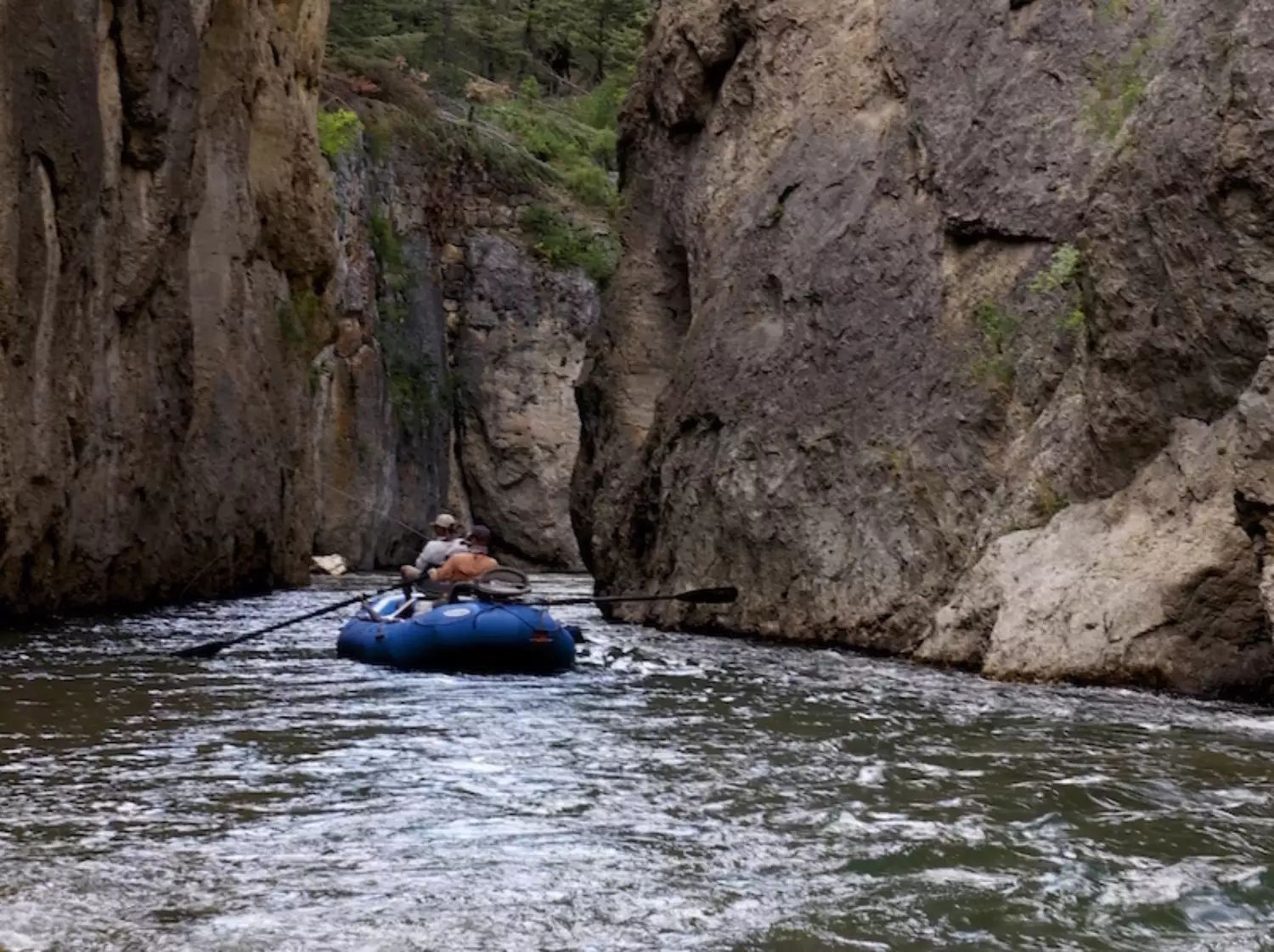
Reading Water to More Effectively Fly Fish in Bozeman, MT
Walk the Gallatin Canyon in July, and it's common to find trout sitting in water that many anglers walk right past. A rock no bigger than a basketball can create enough soft water for a trout to hold.
A riffle shouldn't be treated as one piece of water. Trout use different parts of it depending on how they're feeding. Fish holding near the head of a riffle are often taking advantage of the faster, highly oxygenated water and drifting nymphs. Others position farther down the riffle where the current tails out and slows down, giving them more time to inspect larger food sources.
Paying attention to where the first few fish come from can reveal a pattern that's likely repeated throughout the rest of the river. It's common to find rainbow trout holding aggressively near the faster water, while brown trout will sit in the softer water toward the back of a riffle, usually acting more aggressively and eating other fish.
Guided Fly Fishing Trips Teach More Than Casting
One of the biggest misconceptions about a full-day guided fly fishing trip is that they're only about catching fish. While that's often part of the experience, the biggest takeaway is learning how to read a river.
Every decision a Bozeman fly fishing guide makes starts with the water. Before opening a fly box or tying on a leader, our guides have already checked the flows of the river they are fishing for the day and know what to expect. From here, they will already have a plan, thinking about where fish will be that day, where they will most likely go tight, and what float will fish the best on that given day.
A day on the Gallatin River, Yellowstone River, or Madison River can compress years of trial and error into a single day. Instead of wondering why one riffle produced fish while the next one didn't, anglers begin to recognize the subtle differences that trout respond to. Those observations carry over to every river and place that anglers fish.
The flies eventually change with the seasons, but the principles of reading water rarely do. Learning how trout use current, depth, and structure is one of the most valuable skills an angler can develop, and it's often the lesson that lasts long after the guided trip is over.


Bozeman Fly Fishing Guided Trip Planning
Every season on the rivers around Bozeman is different, and no two years are the same. Snowpack, runoff, water temperatures, insect activity, and weather all shape how a river fishes from one week to the next. It's why local knowledge takes years to develop. Experienced Bozeman fly fishing guides aren't simply remembering where fish were yesterday; they're constantly adjusting so that they can be on the best river and section for the given day.
That's also why planning a Bozeman fly fishing trip requires realistic expectations. Many anglers picture bright skies, comfortable temperatures, and ideal fishing conditions months before they arrive. Rivers rarely work that way. Some of the best days of the year happen under heavy cloud cover, in steady rain, or with a cold front moving through the valley. Other days look perfect but fish surprisingly slow. The weather doesn't determine whether the fishing will be good; it changes how trout use the river, and successful anglers adapt to those conditions rather than waiting for the "perfect" day.
More Information about Bozeman Fly Fishing Trip Planning:
- Montana Fly Fishing Trip Planning Tips for Experienced Anglers
- Early Season Trips for Experienced Anglers : Upper Madison River
Related Articles From The Montana Fly Fishing Blog

Category: Bozeman Fly Fishing Trip Planning, Tips on Flyfishing Montana Rivers
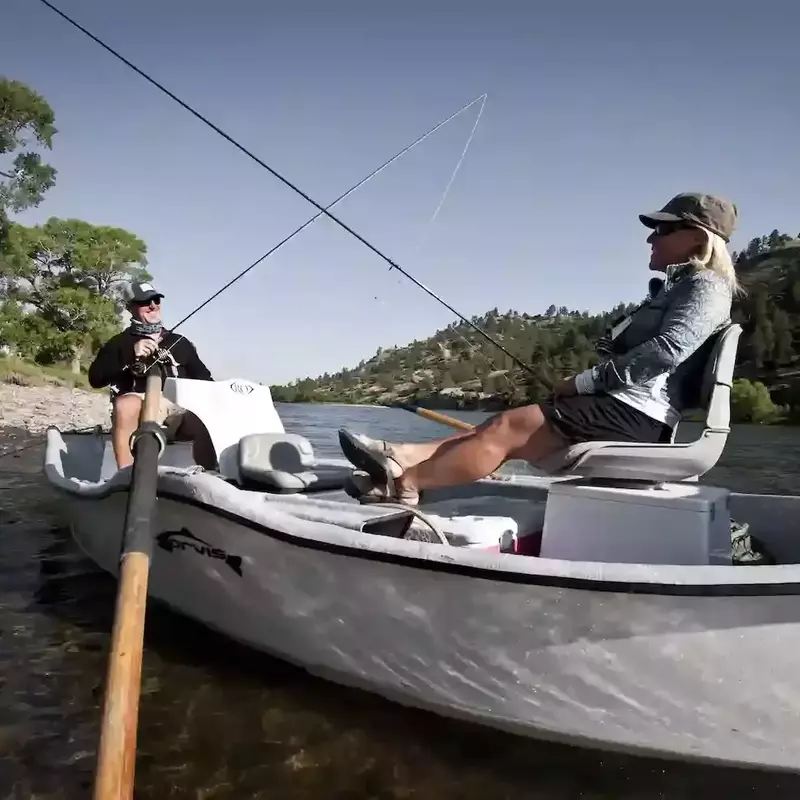
Are Float or Wade Trips Best for Montana Fly Fishing?
Post Date: 09/30/2024
If you enjoy fishing, or just spending time immersed in the iconic landscape of Western Montana, you owe it to yourself to try fly fishing....
Read Article