Only Fins - Episode 4
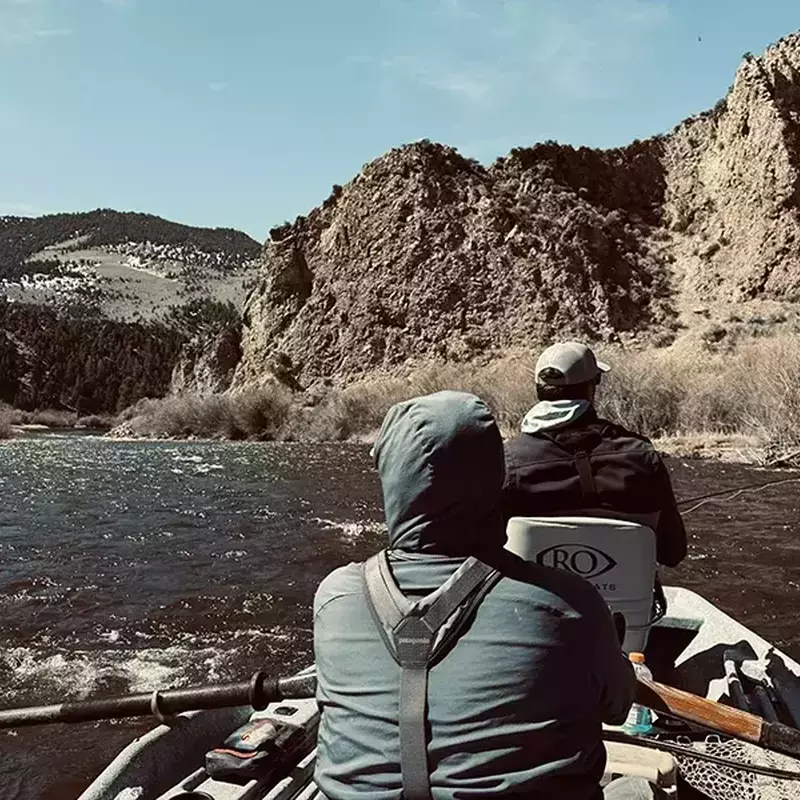
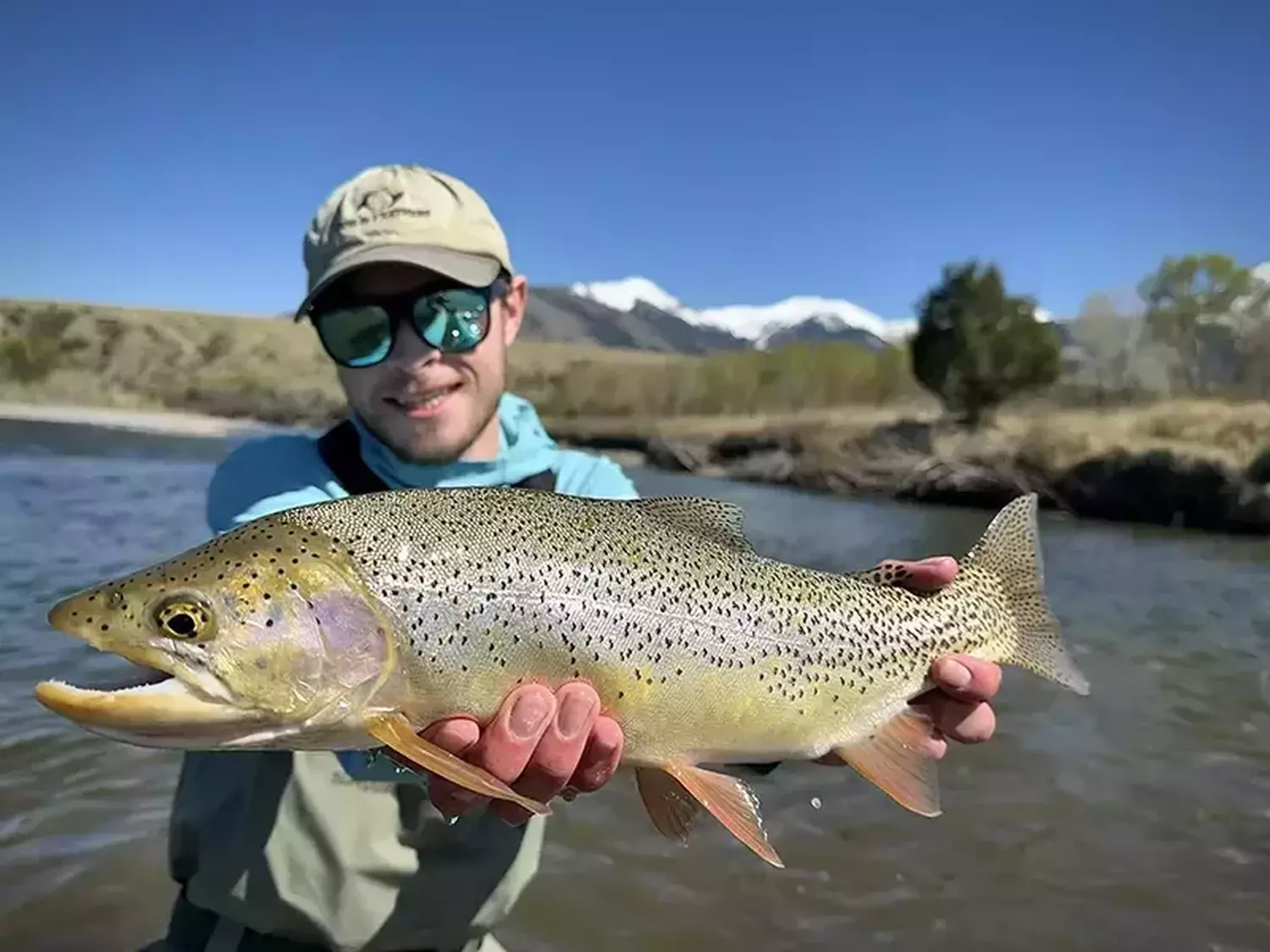
Toby and Alex Swank spend this episode reflecting on fly fishing the Mother's Day Caddis hatch in 2026 as well as their other recent adventures.
Late spring is the time of the year when Montana fly fishing just starts to peak, but varying weather and water conditions favor the flexible angler.
Listen as we talk about some of our other favorite springtime fishing events every year, like the Missouri River and Homosassa Tarpon Fishing.
The main part of our Montana fly fishing trip season is just about here, and we briefly touch on the outlook and what our "best guess" is at this point.
CLICK THE PLAY BUTTON BELOW TO LISTEN
The Only Fins podcast features discussions on all things fly fishing, from the uniquely different perspectives of Alex and Toby Swank. Together with a team of Bozeman fly fishing guides, this father-and-son duo is Fins and Feathers Guide Service. Founded in 2000 as a fly shop and Montana fly-fishing outfitter, they sold the fly shop in 2022 to focus solely on sharing their passion for fly fishing through outfitting on Montana's wild trout waters.
Only Fins Podcast Episode 4
Spring Fishing, Mother's Day Caddis, Tarpon Stories & Summer Outlook
Alex:
Welcome back to the Only Fins Podcast. I'm Alex Swank, joined by my dad, Toby Swank.
We've been doing a lot of fishing around southwest Montana over the past few weeks, and it's been a while since we've recorded. We've got a lot to catch everyone up on.
Toby:
Part of me wants to tell old stories all day, but we've had so much fishing lately that we should probably start there.
Spring Fishing Around Southwest Montana
Alex:
The weather has been all over the place—hot, cold, hot, cold.
Toby:
A complete yo-yo. The Yellowstone jumped up, dropped back down, and every river has been changing week to week.
Before the runoff really got rolling, I kept chasing March Browns and mostly found Blue-Winged Olives. One day I drove out looking for clouds and hatch conditions and somehow ended up in the only sunny spot in the valley.
No clouds. No bugs.
Alex:
Overall, though, spring fishing has been excellent.
We've been on the Yellowstone, Madison, Beaverhead, Big Hole, and Jefferson. The only river I haven't really touched this spring is the Gallatin.
The Mother's Day Caddis Hatch
Alex:
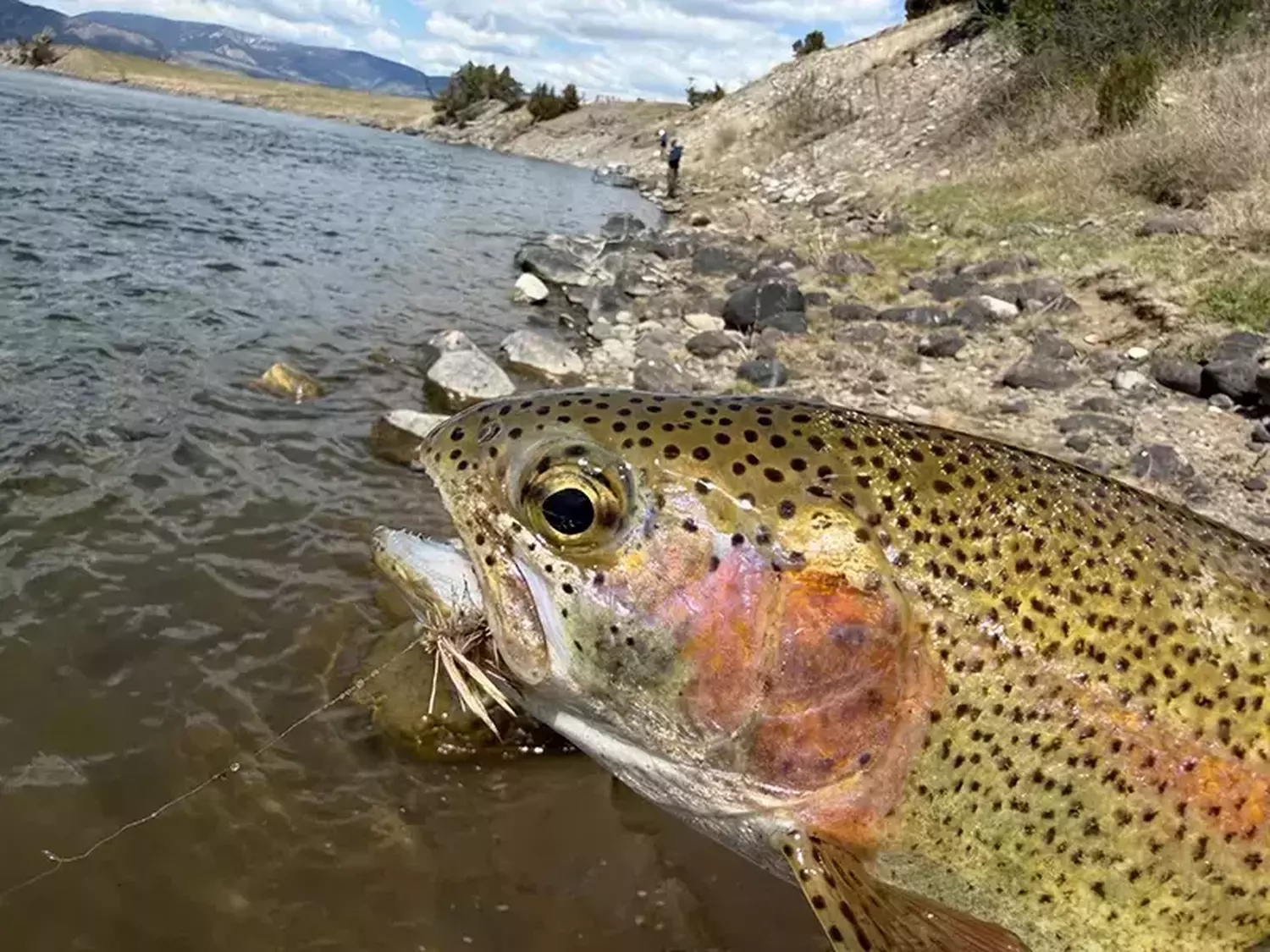
One of the highlights of the spring was fishing the Mother's Day Caddis hatch.
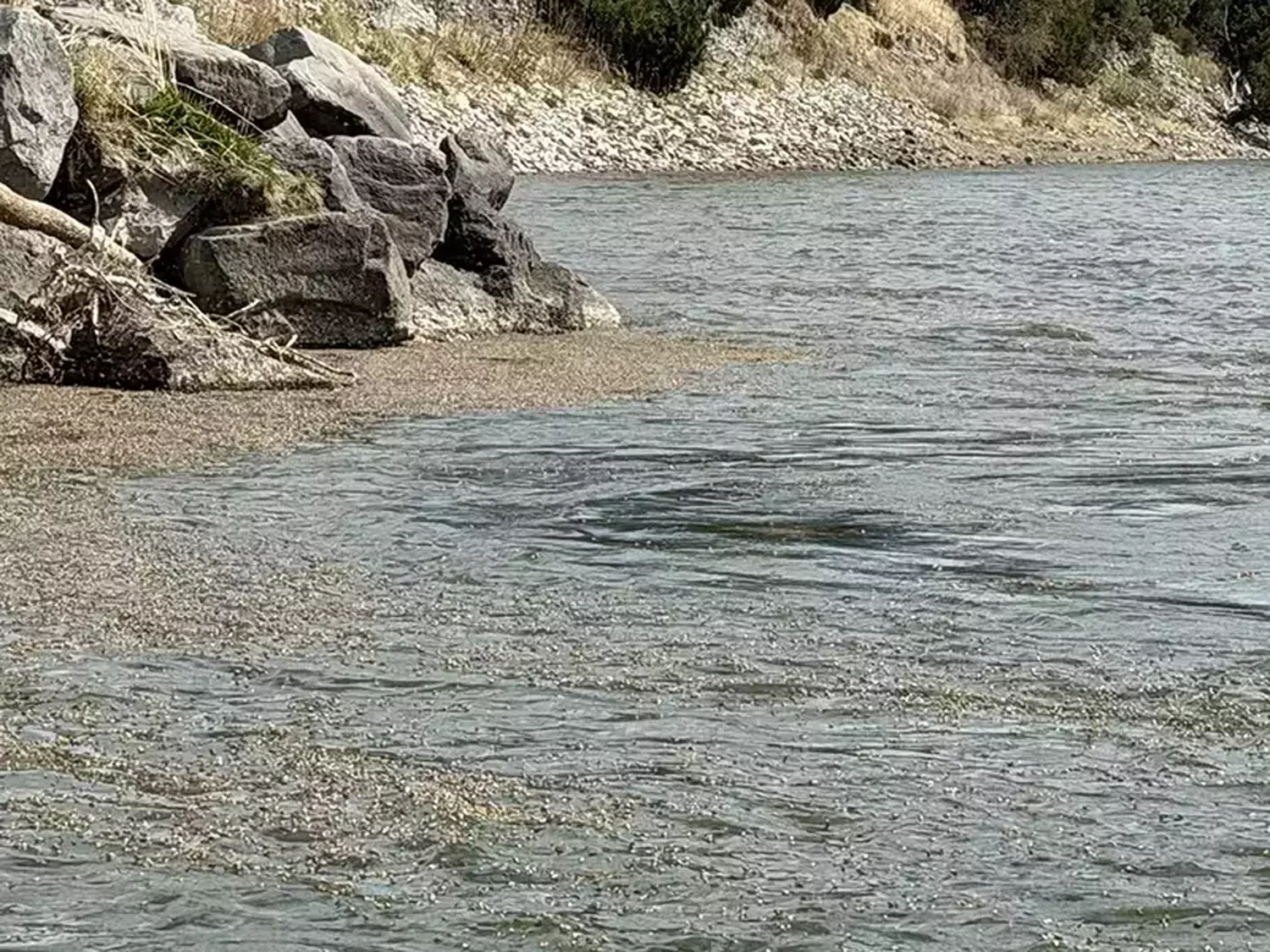
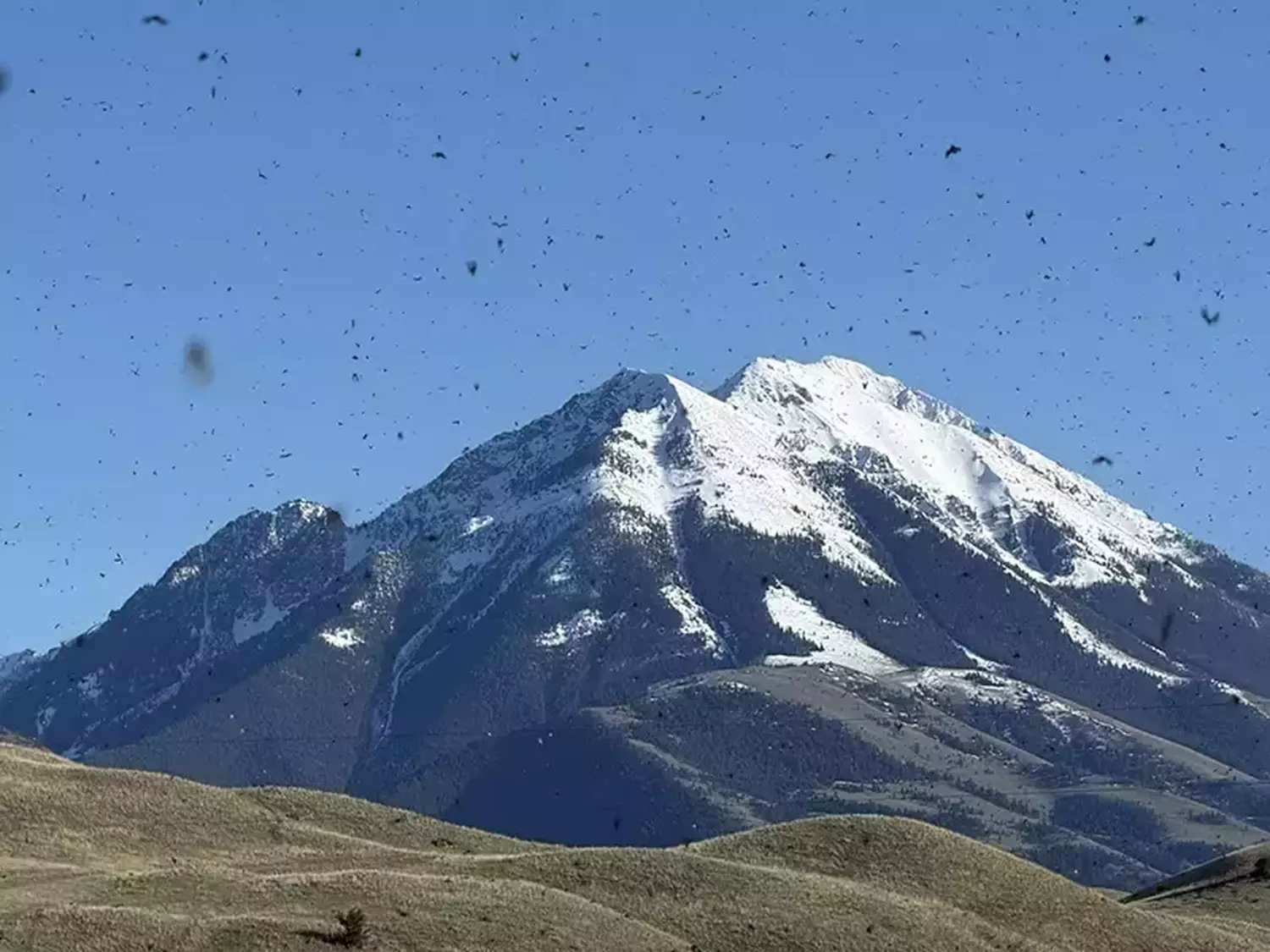
It's one of the most incredible spectacles in fly fishing. At times the bugs are so thick it looks like you could walk across the river without getting your feet wet.
Toby:
I've never seen anything quite like it.
You can literally reach into the water and pull out a handful of caddis.
Alex:
What makes it challenging is trying to get a fish's attention when there are millions of natural bugs drifting past them.
What flies do you like during that hatch?
Toby:
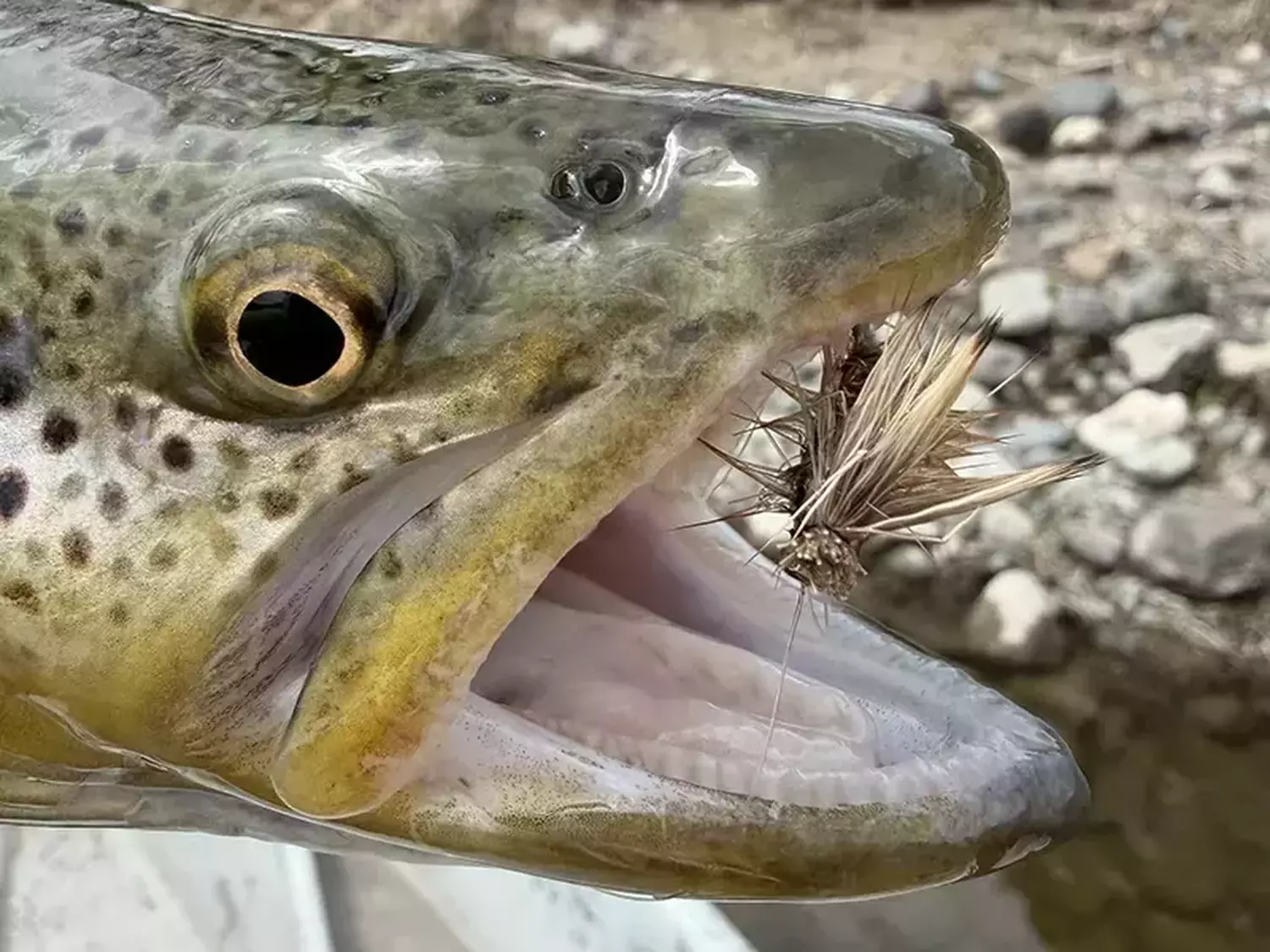
A Peacock Elk Hair Caddis has always been a favorite, although it can be tough to see.
I also like Bloom's Caddis patterns and larger attractor-style dries. A big Royal Wulff can be surprisingly effective because it stands out in the crowd.
What I don't like are low-profile flies that disappear among all the naturals. If I can't see it, I'm not fishing it.
Memories of the Hatch
Toby:
The Mother's Day Caddis always brings back memories.
When I first moved to Montana, some friends took me fishing during the hatch. I couldn't cast very well and ended up hooking myself in the mouth with a caddis fly.
My friends thought it was hilarious.
Years later, Christing and I had our first date during the hatch. We sat along the river surrounded by bugs. I thought it was incredibly romantic.
Eventually, she looked at me and said, "I've had enough. Can we go now?"
Alex:
Do you think it's the premier spring dry-fly hatch in southwest Montana?
Toby:
Absolutely.
From late April through early May, you've got caddis, Blue-Winged Olives, March Browns, and some of the best dry-fly opportunities of the year.
If someone wants classic spring dry-fly fishing, that's when they should be here.
Why We Finally Fished It Together
Alex:
It's funny that I'd never really experienced it before.
Toby:
For years I was guiding on the Missouri during that period. It made sense professionally, but it meant I often missed the hatch myself.
This year was different. The Yellowstone stayed stable for almost a week, which is unusual. Normally the river blows out quickly.
Getting to spend several days fishing it together was special.
Tarpon Season
Alex:
After spring fishing around Montana, another tradition is heading to Florida for tarpon.
Toby:
That's become one of my favorite annual trips.
The timing works perfectly. Montana fishing slows with runoff, tarpon fishing is peaking, and suddenly we're chasing giant fish in tropical water.
Alex:
My first tarpon trip was with you, Teigen, and Krueger.
The weather was terrible. Wind, clouds, whitecaps.
We were almost ready to call it a day when a fish rolled.
One cast later I was hooked up.
The fish jumped, chaos broke loose, and I remember thinking, "I'm not ready for this."
Toby:
That's tarpon fishing in a nutshell.
Hours of nothing followed by five minutes you'll remember for the rest of the year.
Matthew's Giant Tarpon
Alex:
One of my favorite memories was watching Matthew hook that giant tarpon.
Toby:
He was still just a kid.
The fish rolled close, he made a great cast, and everything came together.
The fish ate immediately and the next thing we knew, a hundred feet of fly line was disappearing through the guides.
Alex:
The fight lasted nearly an hour.
At one point the line had a massive knot in it and was covered in floating grass. The guide was crawling around the boat trying to clear everything while Matthew hung on.
We actually thought we were going to land it.
Toby:
The guide touched the leader before it finally broke.
That's close enough for me.
It was one of the biggest tarpon I've ever seen.
Summer Outlook
Alex:
What do you think the fishing is going to look like this summer?
Toby:
It's always dangerous to predict.
My guess is we'll have a strong June. Maybe one of the better Junes we've had in recent years.
After that, it depends entirely on weather and water.
If it stays hot and dry, we'll see lower flows and warmer water sooner than usual. If we get rain, everything changes.
The nice thing about southwest Montana is that we have options.
If one river gets warm, we can move to cooler water. We've got the Madison, Gallatin, Yellowstone, lakes, reservoirs—there's always somewhere to fish.
Quake Lake After Dark
Alex:
You know what people don't think about enough around here?
Lake fishing.
Toby:
Especially Quake Lake.
Fishing mice after dark on Quake is one of the most unique experiences in Montana.
Alex:
It's almost become an urban legend.
Everybody's heard stories about kicking around the flooded trees at night, wondering what might bump into your float tube.
Toby:
I've definitely had some memorable nights out there.
It's eerie, beautiful, and occasionally a little unsettling.
But it's also a place where truly big fish can happen.
One Thing They Don't Tell You in the Fly Shop
Alex:
Let's finish with our usual question.
What's something they don't tell you in the fly shop?
Toby:
Fly rod warranties.
Most people don't realize how good they are.
Modern fly rods involve a tremendous amount of labor and technology. Every section is built to exact specifications, wrapped by hand, finished by hand, and assembled with incredible precision.
Yet most manufacturers stand behind those products for years.
If you break a rod, you'll usually pay some kind of repair or processing fee, but compared to replacing the rod outright, it's an incredible value.
I've had great experiences with St. Croix, Orvis, Sage, and G. Loomis. Every company handles things a little differently, but overall the industry does a remarkable job supporting anglers.
Alex:
So the takeaway?
Toby:
Don't panic if you break a rod. Chances are it can be repaired or replaced.
That's definitely one thing they don't tell you in the fly shop.
Alex:
Thanks for listening.
Toby:
We'll see you next time on Only Fins.
From The Montana Fly Fishing Blog

Category: Bozeman Fly Fishing Trip Planning
When Is the Best Time to Fly Fish in Montana? A Complete Seasonal Guide
Post Date: 11/19/2025
Plan your Bozeman fly fishing trip around the best times of the year when water conditions, hatches, and trout activity are at their peaks to get the most out of...
Read Article