Life Cycle of Montana Trout
Trout in Montana all go through a similar life cycle though in different times of the year. Without great habitat like we have here in our world-class rivers near Bozeman, a trout life cycle cannot be completed.
Let’s walk through the general life cycle of a trout and then cover when rainbows, browns, and cutthroat trout spawn.
Trout Spawning
Trout lay their eggs in nests, known as redds, built by females in river gravel. The female looks for gravel beds with small, loose pebbles to gently cradle the eggs where she can easily move the gravel to dig a hole by turning on her side and flexing her body. There should also be sufficient, highly oxygenated flow but not too much and a bit of deep water nearby for the adult trout to run to during the vulnerable spawn.
The obvious motion from the female attracts the attention of the males who chase each other to compete to be the first to the freshly laid eggs. This digging and chasing process can last for hours or even days, so during spawning season, it is a common site to see.
When everything is just right, the female will release her eggs into the redd and the male will release his milt to fertilize them. Once complete, the female will again dig and move gravel to cover the fertilized eggs.
In many Montana rivers with clear water, a trout redd can be obvious. It will look like a patch of clean gravel heaped into a mound with a hollowed-out section downstream of the mound.
Be sure to not tromp on these areas when wading to give the trout eggs a chance to grow into adult trout.
Trout Egg to Trout Parr
How quickly the eggs hatch depends on water temperature where colder water slows down development. Anywhere between 30-90 days is typical for most trout, and the quantity of hatched eggs depends on the quality of the gravel. This can range from just 4% to upwards of 80% of eggs hatching.
Eggs first develop into the eyed-ova stage called this because a spot develops in the egg. Once hatched, trout are called alevins and remain living in the redd feeding off the remaining yolk for 14-30 days where temperature once again affects the rate of development.
Next comes the fry stage for trout. The fry emerge from the gravel and towards the light to start feeding on tiny insects in the water. Mortality rates during the fry stage are high because they need large quantities of food quickly, so they move frequently. If the stream has good habitat for these small trout, such as plenty of rocks and shallow water not flowing too fast, they grow quickly and become territorial.
Once the fry grow a bit and gain recognizable characteristics of a trout, they are called parr up to one year of age. They have distinctive fingerprints, or parr marks, along their sides, which they lose as they age.
Parr still need plenty of cover within their habitat to hide from each other and other predators, especially birds. They can cope with deeper and faster water but often get swept downstream as they are not yet strong swimmers.
Adult Trout
Once trout are older than one year, they retain their territorial behavior and protect their lies fiercely.
Trout have a feedling lie where the river acts like a conveyor belt of food flowing towards them as they face upstream expending as little energy as possible.
They will also have one or more resting lies where they are safer from predators. This can be an undercut bank, a tree root, a rock, or a log submerged in the river.
Deep pools often hold larger trout resting in the mellow current and enjoying the cooler temperatures. As trout age, they’ll often move from eating invertebrates to eating small fish, including young trout fry and parr. At every turn, adult trout chase off any competition from each of these important lies in a Montana trout stream.
Montana trout spawning times
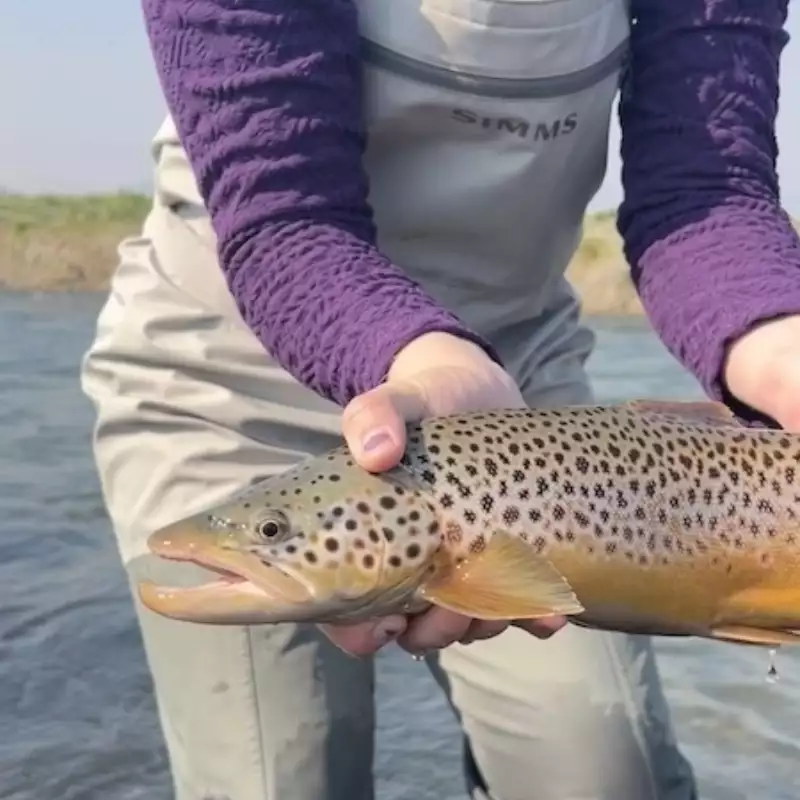
Brown trout and brook trout spawn in the fall. Typically, browns are observed spawning starting in October and that can last through early January depending on the river and conditions. Brook trout spawn in September and October. Because both species spawn in fall and early winter, their incubation periods, or how long they stay as eggs, last from 3-4 months due to colder water temperatures.
Rainbow and cutthroat trout spawn in spring and early summer. Rainbows start their spawn in March and go through early June, while cutthroat trout spawn starting in April and spawn through early July in higher elevation creeks. Because of warmer water temperatures during, both species incubate for about a month before growing into fry and then parr.
Angling and the Trout Life Cycle
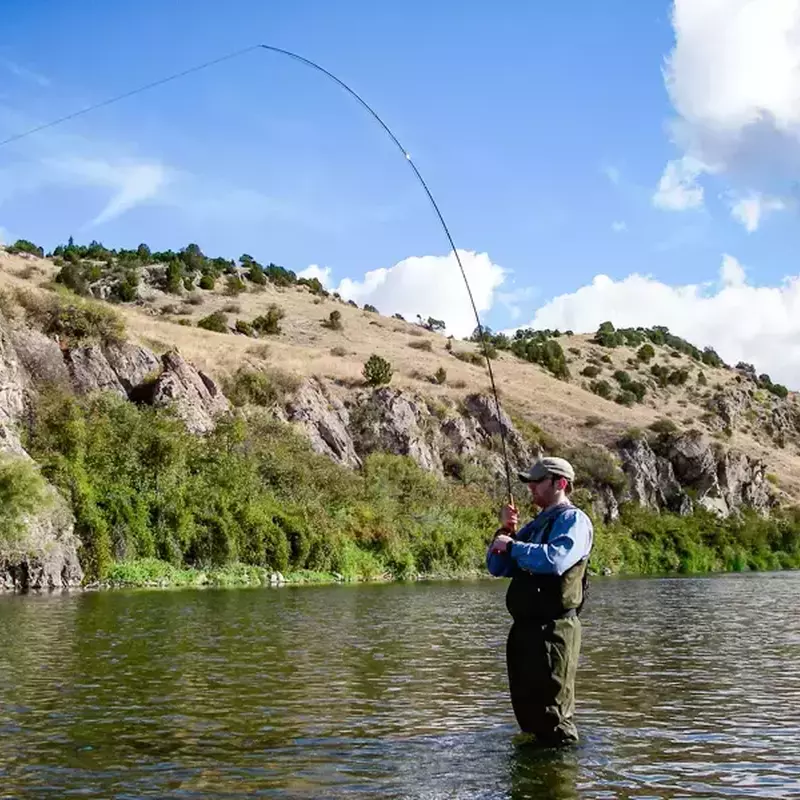
The Montana trout population is wild and diverse, consisting of several species and subspecies that attract anglers from around the world. Understanding the basics of trout biology is essential to angling success when fly fishing in Montana. Skilled anglers focus their efforts on areas where trout are feeding and give spawning fish a rest. The diverse trout populations found in the rivers and streams of Montana ensure that anglers can target feeding fish year-round.
Related Articles From The Montana Fly Fishing Blog
Category: Bozeman Fly Fishing Trip Planning
When Is the Best Time to Fly Fish in Montana? A Complete Seasonal Guide
Post Date: 11/19/2025
Plan your Bozeman fly fishing trip around the best times of the year when water conditions, hatches, and trout activity are at their peaks to get the most out of...
Read Article