


Natural History of Montana Trout Key Facts:
- Cuttroat trout, bull trout, grayling, and wihitefish are native to Montana
- Rainbow, brook, and brown trout were introduced to Montana in the 1890's
- Montana ceased the stocking of trout into most Montana Rivers based on science in the mid-1970's
- Montana Fish Wildlife and Parks manages trout fisheries to ensure that wild trout populations thrive
Natural History of Trout in Montana
The history of trout in America is a fascinating topic, so we’ll dive into which trout are native, which were introduced where and when, what a wild versus native trout means, their histories in our beloved Montana rivers, and conservation efforts to ensure healthy fisheries for our clients persist for years to come.
Rainbow Trout
The much-loved rainbow trout are native to the cool, clear waters along North America’s Pacific coast stretching from Alaska all the way south to northern Mexico. Rainbows thrived in glacial rivers to temperate streams in California and didn’t cross the continental divide until man’s interventions in the 1800s.
Their dazzling rainbow-like colors and appeal to anglers for their acrobatics, not to mention their adaptability to numerous environments, led to their introduction across the United States and beyond, including to numerous countries across the globe like New Zealand, South Africa, and others. They are one of the most widely distributed trout species globally thanks to fish farms and hatchery programs.
In Montana in 1889, rainbow trout were introduced into the Madison River from the McCloud River drainage in northern California. This effort produced robust rainbow populations much to the delight of anglers and communities throughout the state. (There is also evidence that native rainbow trout existed in Montana in the far northwest corner in the Kootenai drainage.) Rivers that host robust populations of rainbow trout include the Gallatin, Yellowstone, and our local spring creeks like Dupuy’s.
After nearly 100 years, stocking of rainbows ceased in 1974 after a researcher at Montana State University here in Bozeman determined the detriment they had on native trout. The science behind stocking rainbow trout showed they outcompeted cutthroat creating significant impacts on fisheries and these native trout.
Rainbow and cutthroat trout are closely related, which means they can interbreed creating cuttbows showing characteristics of both species. Cutbows thrived in Montana waters, but both rainbows and cutbows created significant harm to Montana’s native cutthroat trout species. These fish also create significant competition for resources such as food and habitat further lessening optimization for either species, but it is especially harmful to cutthroats.
Native vs. Wild
Native trout means the fish was never introduced to the area but existed long before man started moving and farming fish. Native fish in Montana include both Yellowstone and Westslope cutthroat, bull trout, whitefish, grayling among others.
Wild trout occur where they were once introduced, and subsequently for many future generations, naturally reproduce creating robust populations. This true for both rainbow and brown trout.
Brown Trout
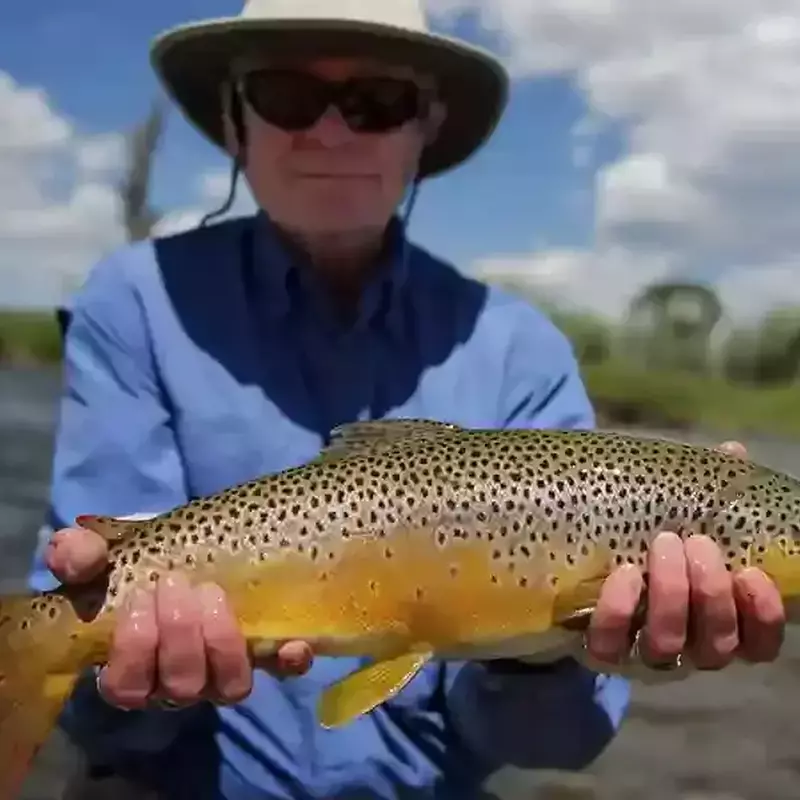
Browns are native to the British Isles, throughout continental Europe and western Asia and weren’t introduced to the U.S until 1883. Some 80,000 brown trout eggs were delivered to Michigan, incubated and released in the Baldwin River in the spring of 1884.
Since then, nearly every state received progeny from these brown trout stocks and many populations are self-sustaining, or wild. Brown trout thrive in the rivers around Bozeman, Montana, like the Madison, Yellowstone, Big Hole, and many more.
A highly sought-after species throughout the country, but especially in Montana, brown trout were first stocked in the Firehole River in Yellowstone National Park in 1890 and subsequently migrated into the Yellowstone River and beyond. Montana aggressively stocked brown trout in many other rivers and lakes before stocking efforts ceased in the early 1970s after fisheries managers learned of their natural, self-sustaining populations.
These aggressive, carnivorous trout often displace native populations through predation, hybridization, displacement, and competition for resources. This is especially true of cutthroat trout, which are native to Montana. Because browns spawn in the fall, browns are often big enough to eat cutthroat trout eggs and fry when they spawn in the spring. In addition, competition for limited food sources ensures the more aggressive browns win every time.
Science Prevails
1974 was a turning point for brown and rainbow trout in Montana. At that time, studies revealed hatchery fishes’ significant impact on native trout, which lead to Montana ceasing stocking efforts in streams capable of supporting natural reproduction. Management shifted to habitat improvement, stream restoration, and science-based approaches to support healthier fisheries.
Today there are a dozen hatcheries throughout Montana and about half of those focus on primarily farming trout. Many hatchery-raised rainbow and brown trout are destined for lakes, ponds, and reservoirs while cutthroat and grayling may go to some rivers and creeks to bolster native populations.
In addition to closely monitoring and managing hatchery raised fish, Montana Fish Wildlife & Parks is hard at work studying fisheries to improve their health when necessary and where possible. Some of the studies they conduct include fish health monitoring, such as studies of juvenile fish to understand trout recruitment, all the way to fish mortality studies to understand how flows, water temperatures, angling, and disease influence survival.
For Montana’s beloved native fishes, both the Yellowstone and Westslope cutthroat trout have been designated Montana’s state fish, which helped create special conservation measures. Both species are listed under Montana law as ‘species of greatest conservation need’, so a science-based approach to understanding their populations and what is required to maintain and restore them is critical work for MT FWP.
Related Articles From The Montana Fly Fishing Blog
Category: Bozeman Fly Fishing Trip Planning
When Is the Best Time to Fly Fish in Montana? A Complete Seasonal Guide
Post Date: 11/19/2025
Plan your Bozeman fly fishing trip around the best times of the year when water conditions, hatches, and trout activity are at their peaks to get the most out of...
Read Article
Category: News & Updates
Support Clean Water in Montana
Post Date: 08/30/2025
Join Fins and Feathers Guide Service in supporting one of Montana’s hardest-working and effective environmental non-profits, Upper Missouri Waterkeepers, in their fight to protect our most valuable natural resources....
Read Article