


Trout Management History in Montana
Decades of science-based conservation practices help make Montana fly fishing world-class. With a goal of protecting, enhancing, and restoring the state’s fisheries, Montana Fish, Wildlife & Parks (MFWP) manages each native and wild fishery for the benefit and enjoyment of anglers now and into the future. We here at Fins and Feathers Guide Service couldn’t be more grateful for those efforts as it is what allows us to show our guests how incredible the fishing is among all our world-class rivers.
Montana FWP Fisheries Management: Wild Fish First
Across the state, MFWP oversees 54,000 miles of streams and over 697,000 acres of lakes, ponds, and reservoirs. These fisheries are world-renowned and host over 4 million angler days every year, including 1.3 million angler days by non-residents.
Montana’s fisheries are managed with a philosophy focusing on Wild Fish Management, meaning that fisheries are sustained through wild fish reproduction as often as possible. By requiring adequate water quality, complex and connected habitat, protection from invasive species, angler management, and stocking of quality and appropriate fish species only where and when necessary, the fisheries around Bozeman, Montana benefit from MFWP efforts. Because Montana does not stock most rivers and streams due to their ability to sustain natural wild fish reproduction, higher quality fisheries are abundant.
Wild fisheries typically host more fish and are more resilient to impacts of stressors, including less-than-ideal environmental impacts such as high temperatures or even invasive species attacks. For these reasons, Montana’s wild trout fisheries are preferred by anglers and are known the world over.
Adversity and Challenges
While Montana rivers, creeks, and lakes hosted robust populations of native trout species for centuries, the movement West during the early 1800s disrupted this natural rhythm. It was common for one species to be dumped into a river or lake to help feed booming populations as well as for the enjoyment of fishermen. This happened across the West creating the mishmash we now have of native and non-native species.
In addition to moving fish, the courses of rivers were also moved. Rivers were diverted and dammed. Culverts were placed where roads were built to try to maintain connection, but after hundreds of years, the infrastructure degraded and connection was lost. All these changes benefited the progress of our societies, but often to the detriment of fish habitat.
Due to these factors, one of the primary focuses of conservation efforts for Montana’s fish and rivers now is to preserve the connected and complex habitats that still exist and to rehabilitate those that have been degraded where possible. In partnership with numerous state and federal agencies, local towns, non-profit organizations, and even individuals, Montana is assessing its trout habitat and improving it by upgrading culverts, engineering beneficial road/stream crossings, modernizing agriculture diversions, and much more.
Managing the Best Trout Fishing in the USA
To manage the native/non-native species interaction, Montana manages harvest regulations so anglers target the non-native species and remove them from the system. They also practice active suppression or even eradication of the non-native fish. In addition, some barriers are maintained or even new ones are placed to prevent invasions of non-native fish. Another method to manage this problem is through selective stocking practices. In addition, some fisheries are managed specifically for harvest, while others require catch-and-release methods to be strictly followed.
In the end, all aquatic systems are conserved and protected to provide a diversity of angling opportunities within the constraints of each managed waterbody. Wild and native fish management practices are prioritized by looking at the overall health of the community to ensure it maintains a sustainable balance.
And of course, all management recommendations are guided by the best available science. Part of that science includes electrofishing, seining, trapping, and gillnetting to understand the make-up of each species population. Angler surveys help establish usage levels and creel surveys help understand catch rates, sizes of fish captured, gear used, fishing technique, and the effectiveness of stocking programs (where they exist) and fishing regulations.
Collecting and relying upon this data for decades continues to provide quality sportfish angling opportunities. If any of the data looks amiss, fishery managers can assess plans of action, whether by stocking more fish, changing the species, strain, or size of fish, or gaining a better understanding of wild populations and what might be causing them to falter. With wild fisheries, the cause and solution can be more nuanced, but are often habitat-related. One outcome is to adjust fishing regulations or work with partners to improve habitat.
Anglers and Fish Thrive in Montana
Much of this data is available to the public. Anglers can spend time looking at real-time information about when and where fish are stocked to the results of fisheries surveys. This information can help inform where and when to fish for certain species, how the health of your favorite river is faring, or any number of other questions plaguing the ever-curious angler.
Thanks to years and years of careful management, Montana’s fisheries are some of the healthiest in the West. For decades now, Montana has been widely considered to have the best fly fishing in the USA for trout. Bozeman, Montana, is centrally based in the heart of the best of the best, surrounded by the Yellowstone, Madison, Gallatin, and headwaters of the Missouri River. All of us here at Fins and Feathers Guide Service - our Bozeman fly fishing guides and guests alike - appreciate the remarkable efforts of the State of Montana in ensuring that this legacy continues for generations of anglers to come.
Related Articles From The Montana Fly Fishing Blog
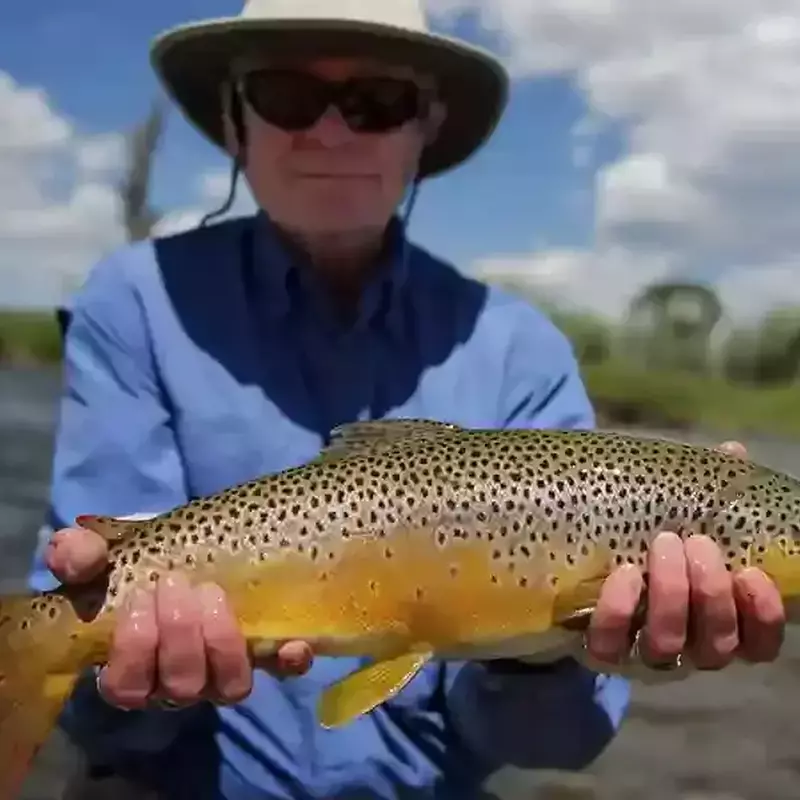
Category: Bozeman Fly Fishing Trip Planning
When Is the Best Time to Fly Fish in Montana? A Complete Seasonal Guide
Post Date: 11/19/2025
Plan your Bozeman fly fishing trip around the best times of the year when water conditions, hatches, and trout activity are at their peaks to get the most out of...
Read Article
Category: News & Updates
Bighorn River Alliance: Montana Fly Fishing Conservation
Post Date: 01/30/2026
Founded back in the mid-‘90’s, the Bighorn River Alliance is a Montana conservation group dedicated to preserving and protecting the Bighorn River. Through science and community collaboration, they are on...
Read Article